
Joint Health & Mobility Exercises in Long Island City, NY
Joint health and mobility are critical components of physical well-being that can significantly enhance one’s quality of life. As individuals age or engage in physical activities, maintaining flexibility and reducing pain becomes essential. In Long Island City, a range of effective exercises can improve joint mobility and help manage discomfort. This article will explore various joint health and mobility exercises specifically designed for the hip, effective workout routines to prevent and relieve joint pain, and expert resources available for residents. With the right knowledge and techniques, anyone can improve flexibility and relieve associated pain.
What Are the Best Hip Stretching Exercises for Joint Mobility?
Hip stretching exercises are fundamental for promoting joint mobility, enhancing flexibility, and preventing injuries. These exercises target key muscle groups around the hip joint, promoting a greater range of motion and alleviating discomfort. Some of the best exercises for enhancing hip mobility include: services
- Standing Hip Flexor Stretch: This stretch targets the hip flexors and helps to improve flexibility, making it easier to perform everyday activities.
- Seated Figure Four Stretch: This exercise focuses on the outer hips and glutes, which can help relieve tightness and improve mobility.
- Lying Hip Rotations: A great stretch for increasing internal and external rotation, enhancing overall hip mobility.
Each of these exercises not only improves flexibility but also supports overall joint health, making them essential components of any joint mobility routine. Incorporating them into a regular fitness regimen can lead to significant improvements in how your joints feel and function.
How Do Hip Mobility Exercises Enhance Joint Flexibility?
Hip mobility exercises enhance joint flexibility by targeting the muscles and connective tissues surrounding the hip joint. These movements stretch and lengthen the hip flexors, glutes, and other surrounding muscle groups, increasing blood flow and nutrient delivery to the area. Research shows that regular practice of these exercises can lead to improved flexibility, reduced stiffness, and increased athletic performance. Implementing hip mobility exercises into daily routines allows individuals to maintain an active lifestyle, reducing the risk of injury and enhancing overall movement quality.
Which Dynamic Stretching Techniques Target Hip Joint Health?
Dynamic stretching techniques are essential for preparing the hip joints for movement and activity. Some effective dynamic stretches include: dynamic stretching services
- Leg Swings: Swinging the legs forward and backward helps to open the hip joint and improve range of motion.
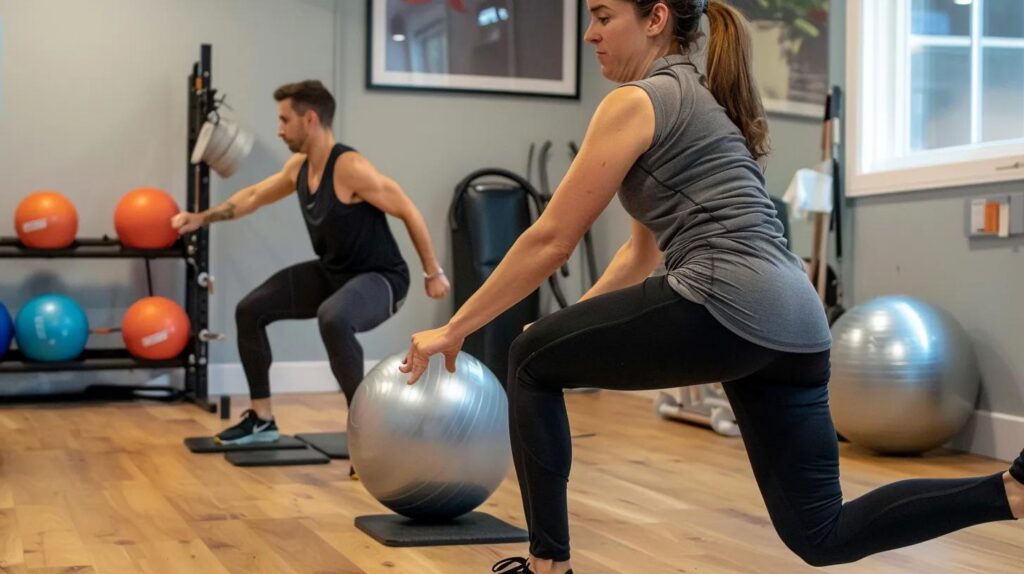
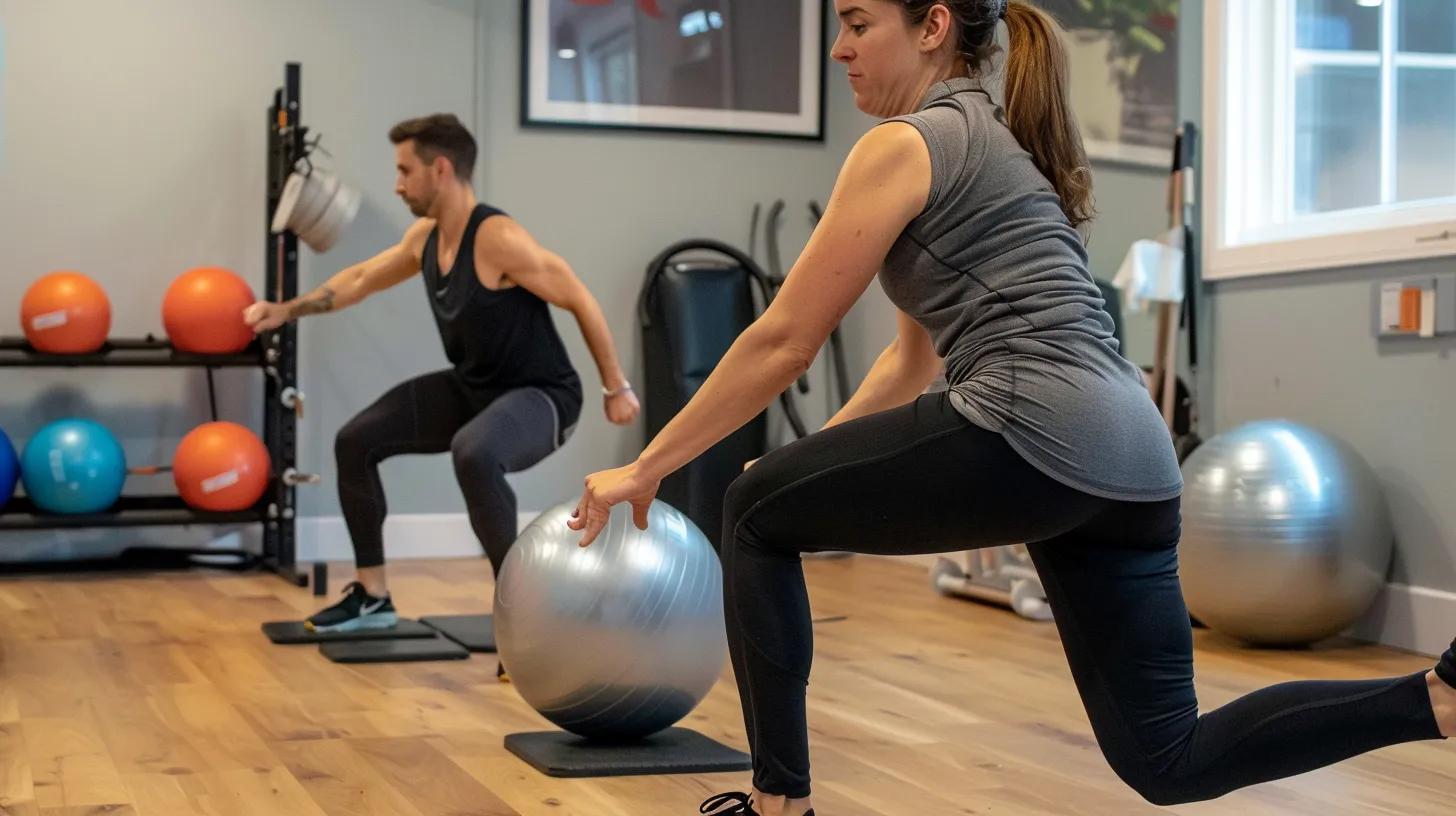
- Walking Lunges: This exercise not only strengthens the muscles but also promotes hip flexibility and mobility.
- High Knees: Engaging the hip flexors dynamically, this exercise enhances mobility while also warming up the muscles.
Incorporating these dynamic stretches before workouts or physical activities can contribute significantly to hip joint health, helping to prevent strains and sprains during movement.
How Can Mobility Workout Routines Prevent and Relieve Joint Pain?

Mobility workout routines focus on increasing joint range of motion and improving overall movement quality. These routines often incorporate various exercises targeting flexibility, strength, and stability. By regularly practicing mobility workouts, individuals can prevent joint pain and enhance overall physical performance.
Benefits of mobility workouts include increased joint lubrication, improved circulation, and greater functional movement. These elements are essential for maintaining not only joint health but also preventing the onset of pain associated with stiff or tight musculature. Services
What Are Effective Joint Pain Relief Exercises for Long Island City Residents?
Long Island City residents can incorporate a variety of effective exercises to relieve joint pain, including: effective exercises.
- Gentle Yoga: Promotes relaxation while enhancing flexibility and decreasing stiffness.
- Swimming: Offers a low-impact option that alleviates pressure on the joints while providing resistance training.
- Pilates: Strengthens the core and improves posture, which can help alleviate joint pain over time.
These exercises focus on both mobility and strength, creating a balanced approach to joint health that is especially beneficial for those experiencing discomfort.
How Do Mobility Workouts Support Long-Term Joint Health?
Mobility workouts support long-term joint health by focusing on the principles of functional movement. Scientific studies highlight that regular participation in structured mobility routines ensures enhanced joint flexibility, improved muscle strength, and overall decreases in injury risk. By building strength in the muscles surrounding joints, mobility workouts help stabilize and support joints, further promoting pain relief and preventing degeneration over time. Mobility workouts help stabilize and support joints, further promoting pain relief and preventing degeneration over time.
Where to Find Expert Physical Therapy and Rehabilitation Resources in Long Island City?

For residents in Long Island City seeking to improve joint health through professional guidance, several expert physical therapy and rehabilitation services specialize in mobility care. These services provide tailored programs designed to address individual needs and concerns, focusing on recovery and functional movement.
What Physical Therapy Programs in LIC Specialize in Joint and Mobility Care?
Certain physical therapy programs in Long Island City are well-regarded for specializing in joint and mobility care. These programs typically encompass various modalities, including manual therapy, exercise prescriptions, and education on self-management techniques to prevent future injuries. Patients receive personalized treatment plans that address their specific joints and mobility challenges. manual therapy
How Do Rehabilitation Services Complement Joint Mobility Exercises?
Rehabilitation services are crucial for complementing joint mobility exercises, providing the guidance and support necessary for long-term success. By working with physical therapists, individuals can develop a deeper understanding of their body’s mechanics and the specific needs of their joints. Through hands-on assessments and personalized exercise regimes, rehabilitation services enhance the effectiveness of mobility exercises, ensuring that individuals stay on track to achieving their mobility goals.
What Flexibility and Range of Motion Techniques Improve Overall Joint Health?
Flexibility and range of motion techniques play a vital role in maintaining joint health. Various methods are proven to promote flexibility and mobility effectively, thereby preventing stiffness and discomfort. Flexibility and mobility
- Static Stretching: Holding stretches for a period helps lengthen muscle fibers, enhancing elasticity and range of motion.
- Foam Rolling: This technique targets tight muscles and fascia, promoting overall flexibility by alleviating muscle tension.
- Strength Training: Engaging in resistance exercises strengthens surrounding muscles, providing better support to the joints.
These techniques collectively contribute to optimal joint function and help stave off conditions associated with limited mobility.
Which Stretching and Strengthening Exercises Enhance Joint Range of Motion?
Stretching and strengthening exercises significantly enhance joint range of motion through targeted initiatives. Recommended exercises include: services
- Hamstring Stretches: Essential for improving flexibility in the posterior chain.
- Quadriceps Strengthening: These exercises can enhance knee stability.
- Shoulder Flexibility Drills: Help maintain upper body mobility.
These practices not only promote flexibility but also build strength, fostering an integrated approach to joint health.
How Does Consistent Flexibility Training Reduce Joint Stiffness?
Consistent flexibility training is key in reducing joint stiffness by increasing the elasticity of muscles and tendons. This active maintenance of elasticity allows for greater movement efficiency and reduced discomfort during everyday activities. Engaging in regular flexibility training contributes significantly to well-being, further establishing its essential role in sustaining a healthy and mobile lifestyle.
How Can Joint Health Assessments and Monitoring Tools Optimize Mobility Progress?
Joint health assessments and monitoring tools are invaluable resources for optimizing mobility progress. These assessments provide insights into current joint function and flexibility levels, enabling individuals to set realistic mobility goals.
What Are the Best Methods to Evaluate Joint Flexibility and Function?
Various methods exist for evaluating joint flexibility and function, including: biomechanical assessments.
- Goniometry: Measuring the range of motion in joints, providing precise data on flexibility levels.
- Functional Movement Screens: Assessing movement patterns to identify areas risk for injury.
- Self-Assessment Tools: Allowing individuals to track improvements and share data with health professionals.
Utilizing these evaluative techniques ensures effective tracking of mobility progress over time, allowing for timely modifications in exercise strategies.
How Can Residents Track Improvements in Joint Mobility Over Time?
Residents can effectively track improvements in joint mobility by keeping detailed logs of exercises, using mobility tracking apps, or consulting performance metrics from healthcare professionals. This process fosters greater accountability and understanding of personal progress, reinforcing successful mobility habits. Ultimately, awareness of progress helps sustain motivation and commitment to joint health.
Frequently Asked Questions
What role does nutrition play in joint health?
Nutrition is vital for maintaining joint health as it provides the necessary nutrients that can influence inflammation and joint function. Consuming a balanced diet rich in omega-3 fatty acids, antioxidants, and vitamins, such as Vitamins C and D, can help reduce inflammation and support cartilage repair. Foods like fatty fish, leafy greens, nuts, and berries are especially beneficial. Staying hydrated is also important, as proper hydration can keep the joints lubricated and functioning well.
How often should I perform joint mobility exercises?
Frequency of joint mobility exercises depends on individual needs and goals, but a general recommendation is to perform these routines at least 3 to 5 times a week. Consistency is key to seeing improvements in flexibility and reducing stiffness. Including mobility exercises as part of your warm-up and cool-down sessions is also beneficial. Listening to your body and adjusting the frequency based on how your joints feel is essential to avoid overexertion.
What are some common misconceptions about joint health?
Many misconceptions about joint health can lead to improper care. One is that only older adults need to focus on joint health; however, joint problems can affect individuals of all ages, especially athletes. Another misconception is that exercise can worsen joint pain—while it may temporarily cause discomfort, regular activity strengthens muscles and enhances joint support, often leading to pain relief over time. Lastly, some believe supplements alone can replace a healthy diet—while beneficial, they should complement a balanced diet rather than replace it. joint health
Are there specific warm-up routines for joint mobility?
Yes, warm-up routines specifically for joint mobility help prepare the body for physical activities and prevent injuries. Effective warm-ups can include dynamic stretches such as arm circles, leg swings, and torso twists. These movements increase blood flow, enhance flexibility, and loosen up the joints. It is essential to focus on the areas that will be active during your workout to ensure optimal joint function throughout your routine.
How can I prevent joint pain during physical activities?
Preventing joint pain during physical activities involves several strategies. First, ensure proper form and technique while exercising to reduce unnecessary strain on the joints. Gradually increase intensity and duration to avoid overuse injuries. Incorporating rest days into your routine allows for adequate recovery. Additionally, wearing appropriate footwear and using supportive gear can help absorb impact and reduce stress on the joints. Finally, consider cross-training to engage different muscle groups and avoid repetitive motion injuries.
What are some signs that I may need professional help for my joint health?
It is important to seek professional help for joint health if you experience persistent pain, swelling, or stiffness that does not improve with rest or self-care measures. Difficulty performing daily activities, a noticeable decrease in joint range of motion, or symptoms that worsen over time may indicate an underlying condition that requires medical evaluation. Early intervention can aid in preventing further damage and managing joint health effectively.
Conclusion
Maintaining joint health and mobility is essential for enhancing daily life and mitigating discomfort, especially for active individuals and seniors alike. Engaging in targeted exercises promotes flexibility, strength, and pain relief, ultimately improving functional movement. By incorporating these exercises into your daily routine, you can experience remarkable benefits and enhance your overall well-being. Discover more resources and specialized services tailored for joint health in Long Island City to support your journey to optimal mobility.