Stress Reduction & Relaxation Techniques in Long Island City
In the bustling environment of Long Island City, stress can accumulate quickly, impacting both mental and physical well-being. This guide explores effective stress reduction and relaxation techniques that can help individuals reclaim their peace of mind. Readers will learn about various methods, including mindfulness practices, progressive muscle relaxation, and guided relaxation exercises, all tailored to the unique needs of LIC residents. As stress levels rise, finding effective solutions becomes essential for maintaining a balanced lifestyle.
This article will delve into the most effective stress reduction methods available in Long Island City, the benefits of progressive muscle relaxation, local resources for stress management, and the holistic approaches that enhance relaxation techniques.
What Are the Most Effective Stress Reduction Methods in Long Island City?
Stress reduction methods encompass a variety of techniques aimed at alleviating tension and promoting relaxation. In Long Island City, residents have access to numerous strategies that cater to different preferences and lifestyles. These methods not only help in managing stress but also contribute to overall mental health and wellness.
How Does Mindfulness Meditation Help Reduce Stress?
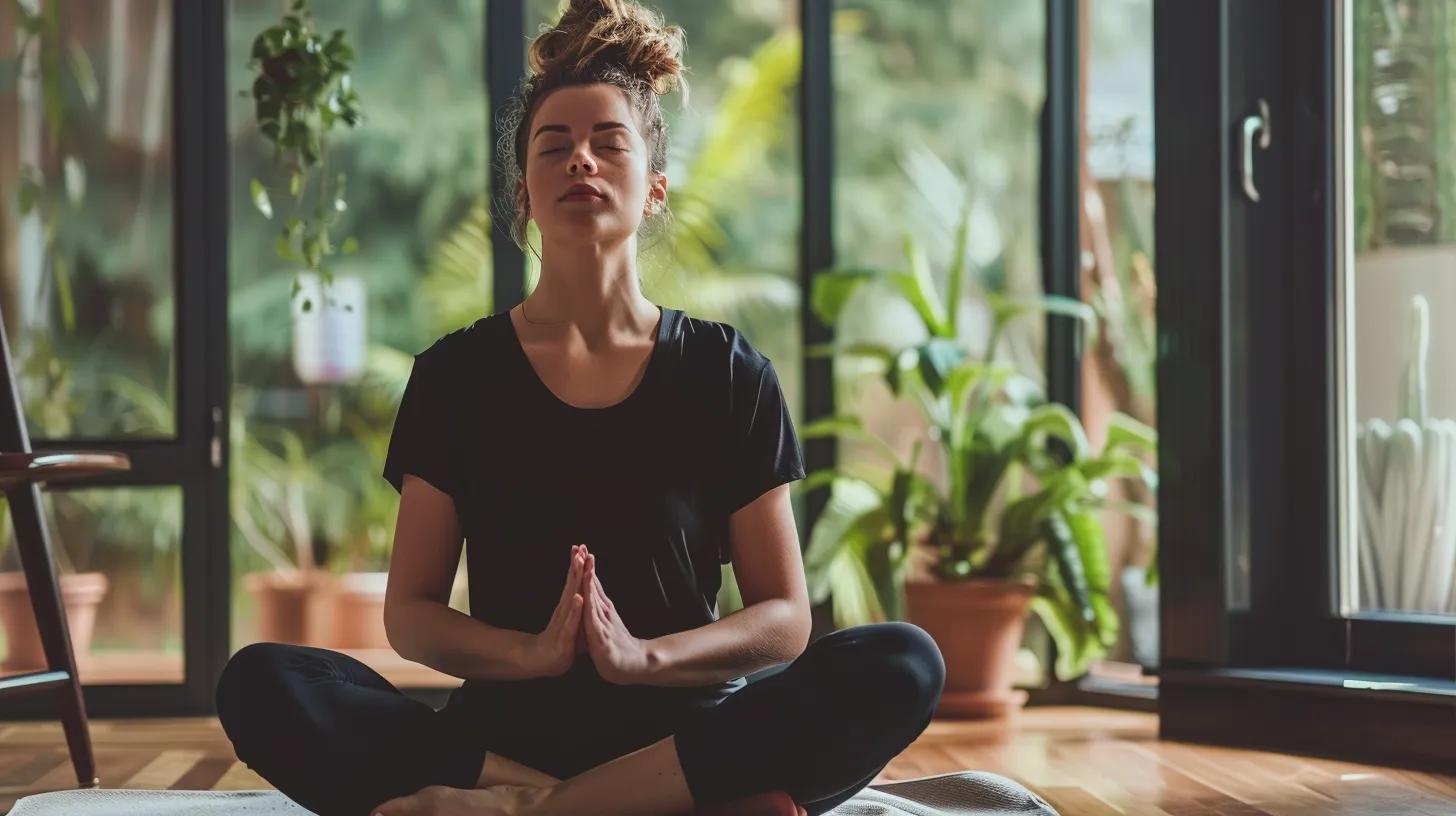
Mindfulness meditation is a practice that encourages individuals to focus on the present moment, fostering a sense of awareness and acceptance. This technique works by reducing the activity of the amygdala, the brain’s stress response center, leading to lower levels of anxiety and stress. Research indicates that regular mindfulness practice can enhance emotional regulation and improve overall mental health, making it a valuable tool for stress management.
What Role Do Deep Breathing Techniques Play in Stress Relief?
Deep breathing techniques are essential for stress relief, as they activate the body’s relaxation response. By taking slow, deep breaths, individuals can lower their heart rate and reduce feelings of anxiety. Practicing deep breathing involves inhaling deeply through the nose, holding the breath for a few seconds, and exhaling slowly through the mouth. This simple yet effective technique can be practiced anywhere, making it a convenient option for those seeking immediate stress relief.
How Can Progressive Muscle Relaxation Improve Your Well-Being in LIC?
Progressive muscle relaxation (PMR) is a technique that involves systematically tensing and relaxing different muscle groups in the body. This method helps individuals become more aware of physical tension and promotes a state of relaxation. By focusing on the contrast between tension and relaxation, PMR can significantly reduce stress and anxiety levels.
What Is Progressive Muscle Relaxation and How Is It Practiced?
To practice progressive muscle relaxation, individuals typically start by finding a quiet space where they can sit or lie down comfortably. They begin by tensing a specific muscle group for about five seconds, then releasing the tension and focusing on the sensation of relaxation. This process is repeated for each muscle group, starting from the toes and working up to the head. Regular practice can lead to improved relaxation and stress management.
Progressive Muscle Relaxation for College Stress
coping with stress is through the use of progressive muscle relaxation (PMR), a stress-reduction intervention that consists of systematically tensing and relaxing various muscle groups
Efficacy of abbreviated progressive muscle relaxation in a high-stress college sample., 2012
What Are the Benefits of Progressive Muscle Relaxation for Stress Management?
The benefits of progressive muscle relaxation extend beyond immediate stress relief. Research shows that PMR can lead to decreased muscle tension, improved sleep quality, and enhanced overall well-being. Users often report feeling more relaxed and better equipped to handle daily stressors after incorporating PMR into their routines. Additionally, PMR can be easily integrated into various wellness programs offered in Long Island City.
| Technique | Benefit | Evidence Level |
|---|---|---|
| Mindfulness Meditation | Reduces anxiety and enhances emotional regulation | High (multiple studies) |
| Deep Breathing | Activates relaxation response, lowers heart rate | High (clinical trials) |
| Progressive Muscle Relaxation | Decreases muscle tension, improves sleep | Moderate (emerging research) |
Where to Find Local Stress Management Workshops and Classes in Long Island City?

Long Island City offers a variety of workshops and classes focused on stress management and relaxation techniques. These local resources provide residents with opportunities to learn and practice effective methods in a supportive environment.
Which LIC Wellness Centers Offer Mindfulness and Relaxation Programs?
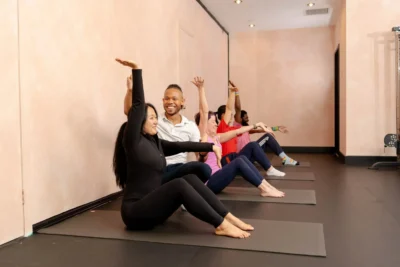
Several wellness centers in Long Island City specialize in mindfulness and relaxation programs. These centers often provide classes in mindfulness meditation, yoga, and progressive muscle relaxation, catering to individuals of all experience levels. Participants can benefit from guided sessions led by experienced instructors, enhancing their understanding and practice of these fitness programs.
How Do Hybrid Stress Reduction Classes Work?
Hybrid stress reduction classes combine in-person and online elements, allowing participants to engage in stress management techniques from the comfort of their homes or in a group setting. This flexible approach accommodates various schedules and preferences, making it easier for individuals to prioritize their mental health. Hybrid classes often include a mix of mindfulness practices, breathing exercises, and discussions on stress management strategies.
What Are Guided Relaxation Exercises and How Can They Help You?
Guided relaxation exercises are structured practices that lead individuals through relaxation techniques, often using audio or video resources. These exercises can help reduce stress and promote a sense of calm by providing clear instructions and a supportive environment.
Which Guided Meditation and Breathing Exercises Are Best for Beginners?
For beginners, guided meditations and breathing exercises that focus on simple techniques are ideal. Options such as body scan meditations, loving-kindness meditations, and basic deep breathing exercises can be effective starting points. Many apps and online platforms offer free resources, making it accessible for anyone looking to incorporate guided relaxation into their routine.
How to Incorporate Guided Relaxation into Your Daily Routine?
Incorporating guided relaxation into a daily routine can be achieved by setting aside specific times for practice. Individuals can start with just a few minutes each day, gradually increasing the duration as they become more comfortable. Creating a calming environment, free from distractions, can enhance the effectiveness of these exercises. Regular practice can lead to improved stress management and overall well-being.
How Does a Holistic Approach Enhance Stress Reduction in Long Island City?
A holistic approach to stress reduction considers the interconnectedness of the mind, body, and spirit. This perspective emphasizes the importance of addressing all aspects of well-being to achieve optimal health and relaxation.
What Are the Key Components of a Holistic Stress Management Plan?
Key components of a holistic stress management plan include mindfulness practices, physical activity, proper nutrition, and social support. By integrating these elements, individuals can create a comprehensive strategy that promotes overall wellness. Engaging in activities that foster connection, such as group classes or community events, can also enhance the effectiveness of stress reduction efforts.
How Can Yoga and Mental Wellness Coaching Complement Relaxation Techniques?
Yoga and mental wellness coaching can significantly complement relaxation techniques by providing additional tools for managing stress. Yoga combines physical movement with mindfulness, promoting relaxation and reducing tension. Mental wellness coaching offers personalized strategies and support, helping individuals navigate stressors and develop resilience. Together, these practices create a well-rounded approach to stress management, enhancing the benefits of traditional relaxation techniques. Yoga and mental wellness
| Component | Description | Impact Level |
|---|---|---|
| Mindfulness Practices | Techniques to enhance present-moment awareness | High |
| Physical Activity | Regular exercise to reduce stress and improve mood | High |
| Nutrition | Balanced diet to support mental health | Moderate |
| Social Support | Community engagement to foster connection | High |
Frequently Asked Questions
What are some common signs of stress that I should watch for?
Common signs of stress include physical symptoms like headaches, fatigue, and muscle tension, as well as emotional symptoms such as irritability, anxiety, and difficulty concentrating. Behavioral changes, such as increased isolation or alterations in sleep patterns, can also indicate high-stress levels. Recognizing these signs early can help you address them before they escalate, allowing for timely intervention and the adoption of effective stress management strategies.
Can exercise really help with stress management?
Yes, exercise is a powerful tool for stress management. Engaging in physical activity increases the production of endorphins, the body’s natural mood lifters, which can significantly improve your mood and reduce feelings of anxiety. Moreover, exercise promotes better sleep quality, which is essential for mental health. Whether it’s a brisk walk, yoga session, or a vigorous workout, regular physical activity is highly beneficial for managing stress and enhancing overall well-being.
How can I create a calming environment at home for relaxation?
Creating a calming environment at home involves a few simple steps. Start by decluttering your space to reduce visual distractions. Incorporate soothing elements, such as soft lighting, calming scents like lavender, and comfortable seating. Also, consider using calming colors in your decor, and if possible, play gentle music or nature sounds. Establishing a designated relaxation area where you can practice your stress relief techniques will also help facilitate a peaceful atmosphere.
Are there any specific dietary choices that can help reduce stress?
Certain dietary choices can significantly influence our stress levels. Foods rich in omega-3 fatty acids, such as salmon and walnuts, can help reduce anxiety. Complex carbohydrates like whole grains can improve serotonin levels, promoting relaxation. Additionally, fruits and vegetables, especially those high in vitamins C and B, support stress reduction by boosting immune health and energy levels. Staying hydrated and minimizing caffeine and sugar intake can further help maintain emotional balance.
Is it necessary to attend classes for stress management techniques?
While attending classes can provide structure, guidance, and community support, it is not strictly necessary for practicing stress management techniques. Many practices, such as mindfulness and progressive muscle relaxation, can be learned independently through online resources, books, or apps. However, classes led by qualified instructors can deepen your understanding, enhance your practice, and offer personalized feedback to better suit your needs and encourage accountability.
How often should I practice stress reduction techniques for maximum benefit?
To achieve maximum benefit, it’s recommended to practice stress reduction techniques regularly. Daily practice, even for a few minutes, is more effective than occasional, longer sessions. For example, integrating mindfulness meditation or deep breathing exercises into your daily routine can provide cumulative benefits over time. Adjusting the frequency based on your individual needs and experiences can help you find a balance that works best for your stress management journey.
What role does social support play in managing stress effectively?
Social support is crucial for effectively managing stress as it provides emotional reassurance and practical help. Engaging with friends, family, or community groups can foster a sense of belonging, reducing feelings of isolation and loneliness. Social interactions can also be a source of distraction from stressors while promoting a positive mood. Sharing experiences and coping strategies with others can offer new perspectives and enhance resilience, making it easier to handle life’s challenges together.
Conclusion
Utilizing effective stress reduction techniques can significantly enhance mental well-being and overall quality of life. By embracing methods like mindfulness, deep breathing, and progressive muscle relaxation, individuals in Long Island City can cultivate a more balanced and peaceful lifestyle. Discover the benefits of these practices and how they can be easily integrated into your daily routine. Start exploring local wellness resources today to take the first step towards a stress-free life.