
Targeted Massage for Neck & Back Pain in Long Island City
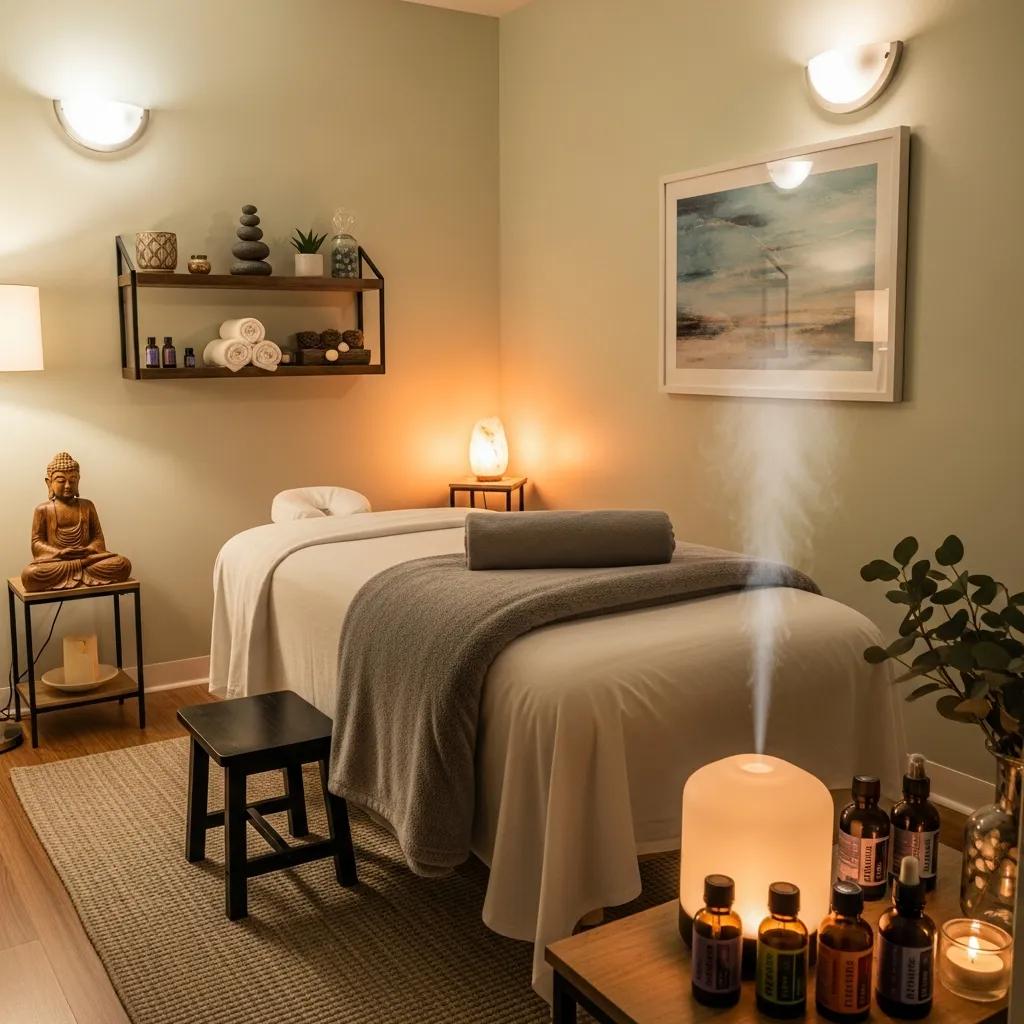
Targeted massage therapy is a powerful approach to alleviating neck and back pain, offering both immediate relief and long-term wellness benefits. This article explores various techniques and holistic approaches that can enhance recovery and improve overall health. Many individuals in Long Island City experience chronic pain due to stress, poor posture, or injury, and targeted massage provides a solution by addressing the root causes of discomfort. We will delve into effective relief techniques, holistic wellness approaches, and the specific benefits of targeted massage therapy. Additionally, we will discuss how personalized training and wellness classes can complement these therapies, ensuring a comprehensive approach to pain management.
Effective Relief Techniques
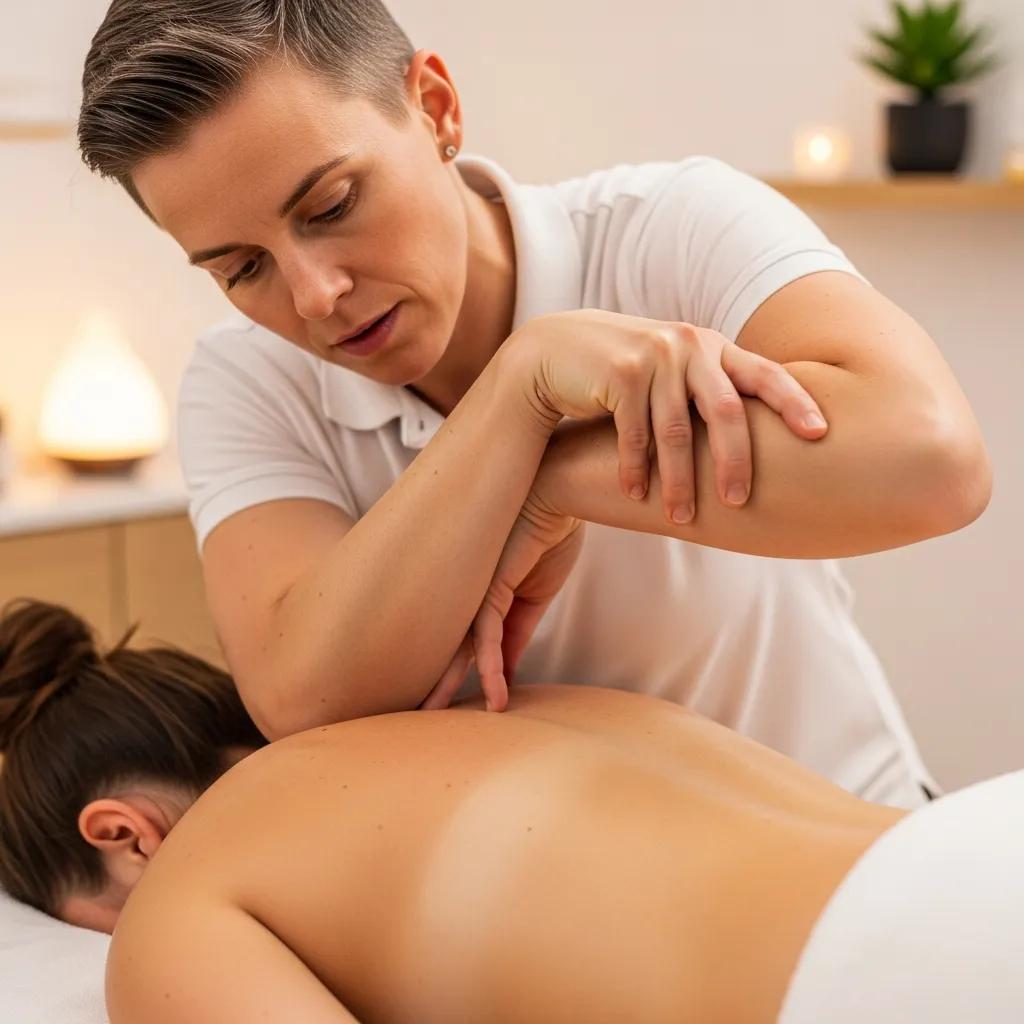
Effective relief techniques for neck and back pain include various massage modalities that target specific muscle groups and tissues. These techniques are designed to alleviate tension, improve circulation, and promote relaxation. Some of the most effective methods include: massage therapy.
- Deep Tissue Massage: This technique focuses on the deeper layers of muscle tissue, helping to release chronic tension and pain.
- Myofascial Release Therapy: This method targets the fascia, the connective tissue surrounding muscles, to relieve tightness and improve mobility.
- Fascial Release Techniques: These techniques aim to release restrictions in the fascia, enhancing overall movement and flexibility.
- ELDOA Therapy: This specialized technique involves specific postures to decompress the spine and improve joint function.
These techniques can be tailored to individual needs, providing a personalized approach to pain relief.
Research further supports the efficacy of techniques like Myofascial Release and ELDOA in addressing posture-related neck pain. massage therapy
Myofascial Release & ELDOA for Posture-Related Neck Pain
Background: Mechanical neck pain is prevalent among university students due to prolonged poor posture and sedentary behavior, causing discomfort and functional limitations without underlying pathology. Elongation Longitudinal Décoaptation Ostéo-Articulaire (ELDOA) and manual myofascial release therapy have both shown efficacy in managing musculoskeletal pain, yet few studies have compared their effectiveness in treating posture-related neck pain.
Comparative Effects of Elongation Longitudinal Décoaptation Ostéo-Articulaire (ELDOA) Versus Manual Myofascial Release Therapy on Mechanical Neck Pain …, AB Inam, 2025
Holistic Wellness Approaches

Holistic wellness approaches complement targeted massage therapy by addressing the overall well-being of the individual. These methods focus on the mind-body connection and promote a balanced lifestyle. Key holistic approaches include: massage therapy.
- Integrative Massage Therapy: This combines various massage techniques to create a customized treatment plan that addresses specific issues.
- Mindfulness Practices: Techniques such as meditation and breathing exercises help reduce stress and enhance the effectiveness of massage therapy.
- Mobility and Flexibility Training: Incorporating exercises that improve flexibility can enhance the benefits of massage therapy and prevent future injuries.
By integrating these holistic approaches, individuals can achieve a more comprehensive recovery and maintain long-term wellness.
Benefits of Targeted Massage Therapy
Targeted massage therapy offers numerous benefits that extend beyond immediate pain relief. Understanding these benefits can help individuals make informed decisions about their health and wellness. The primary advantages include: massage therapy.
- Pain Relief: Targeted massage effectively reduces pain by relaxing tense muscles and improving blood flow.
- Improved Circulation: Enhanced blood circulation promotes healing and reduces inflammation in affected areas.
- Stress Reduction: Massage therapy helps lower cortisol levels, leading to reduced stress and anxiety.
- Enhanced Flexibility: Regular massage can improve range of motion and flexibility, making daily activities easier.
- Mental Clarity: The relaxation achieved through massage can lead to improved focus and mental clarity.
These benefits highlight the importance of incorporating targeted massage therapy into a regular wellness routine.
Benefits of Targeted Massage Therapy at Dekhana Wellness Inc.
Targeted massage therapy specifically addresses the unique challenges associated with neck and back pain. The benefits include: massage therapy
- Pain Relief Techniques: Techniques such as deep tissue massage and myofascial release directly target pain points, providing immediate relief.
- Improved Mobility: Regular sessions can enhance mobility, making it easier to perform daily tasks and engage in physical activities.
- Stress Reduction: The calming effects of massage therapy contribute to lower stress levels, which can exacerbate pain.
- Overall Wellness Enhancement: By addressing both physical and mental health, targeted massage therapy promotes a holistic approach to wellness.
These benefits make targeted massage therapy an essential component of pain management strategies.
How Does Targeted Massage Alleviate Chronic Neck Pain?
Targeted massage alleviates chronic neck pain through specific techniques that focus on muscle tension and stress relief. Key methods include: massage therapy.
- Sustained Pressure Techniques: Applying consistent pressure to tight muscles helps release tension and alleviate pain.
- Slow Stroke Techniques: Gentle, slow strokes promote relaxation and improve blood flow to the affected areas.
- Myofascial Release: This technique targets the fascia surrounding muscles, helping to relieve tightness and improve overall mobility.
By utilizing these methods, targeted massage therapy can effectively reduce chronic neck pain and enhance quality of life.
In What Ways Does Massage Therapy Improve Back Pain and Mobility?
Massage therapy improves back pain and mobility through various techniques that focus on muscle relaxation and joint function. Some effective methods include: massage therapy.
- Deep Tissue Massage: This technique penetrates deep muscle layers, releasing tension and alleviating pain.
- Myofascial Release: By targeting the fascia, this method helps improve flexibility and reduce discomfort.
- ELDOA Technique: This specialized approach focuses on spinal decompression, enhancing mobility and reducing pain.
These techniques work together to provide comprehensive relief from back pain and improve overall mobility.
Which Targeted Massage Techniques Are Best for Neck, Back, and Shoulder Pain in LIC?
In Long Island City, several targeted massage techniques are particularly effective for addressing neck, back, and shoulder pain. These include: massage therapy
- Deep Tissue Massage: Ideal for chronic pain, this technique focuses on deeper muscle layers to release tension.
- Myofascial Release: Effective for tightness in the fascia, this method enhances mobility and reduces pain.
- Sports Massage: Tailored for athletes, this technique helps prevent injuries and improve performance.
These techniques can be customized to meet individual needs, ensuring effective pain management.
What Is Deep Tissue Massage and How Does It Relieve Musculoskeletal Pain?
Deep tissue massage is a therapeutic technique that targets the deeper layers of muscle and connective tissue. It is particularly effective for relieving musculoskeletal pain through: massage therapy.
- Mechanisms of Pain Relief: By applying firm pressure, deep tissue massage helps break down adhesions and relieve tension in muscles.
- Techniques Used: Therapists use various techniques, including slow strokes and deep finger pressure, to target specific areas of pain.
- Targeted Areas: This massage technique is especially beneficial for the back, neck, and shoulders, where tension often accumulates.
Deep tissue massage is a valuable tool for managing chronic pain and enhancing overall well-being.
How Does Myofascial Release Support Shoulder Pain Relief?
Myofascial release is a specialized technique that focuses on relieving tension in the fascia, the connective tissue surrounding muscles. It supports shoulder pain relief by: massage therapy.
- Relief of Muscle Tightness: By targeting tight fascia, this technique helps restore normal movement patterns and reduce pain.
- Improved Circulation: Myofascial release enhances blood flow to the affected areas, promoting healing and recovery.
- Holistic Approach: This method addresses both physical and emotional aspects of pain, contributing to overall wellness.
Incorporating myofascial release into a treatment plan can significantly enhance shoulder pain relief.
Indeed, systematic reviews highlight the effectiveness of myofascial release in providing pain relief and improving overall quality of life for those with chronic musculoskeletal conditions.
Myofascial Release for Chronic Musculoskeletal Pain Relief
The scope of this review was narrowed down to the effects of myofascial release on pain relief, improved joint mobility, functioning, quality of life, and satisfaction after treatment.
Effectiveness of myofascial release in treatment of chronic musculoskeletal pain: a systematic review, 2018
How Can Personalized Training and Wellness Classes Complement Massage Therapy?
Personalized training and wellness classes can enhance the benefits of massage therapy by focusing on individual needs and goals. Key aspects include: massage therapy.
- Enhanced Mobility and Flexibility: Tailored training programs can improve flexibility, making massage therapy more effective.
- Long-Term Health Benefits: Regular exercise and wellness classes promote overall health, reducing the likelihood of future injuries.
- Customized Support: Personalized training provides targeted support for specific issues, complementing the effects of massage therapy.
- Community Support: Engaging in group classes fosters a sense of community, enhancing motivation and accountability.
By integrating personalized training with massage therapy, individuals can achieve a more comprehensive approach to health and wellness.
What Role Does Personalized Training Play in Managing Chronic Pain?
Personalized training plays a crucial role in managing chronic pain by providing tailored exercise programs that address individual needs. Key benefits include:
- Customized Treatment Plans: Training programs can be designed to target specific areas of pain, enhancing recovery.
- Focus on Strength and Mobility: Strengthening exercises improve overall function and reduce the risk of injury.
- Integration of Stress Reduction Techniques: Incorporating mindfulness and relaxation techniques can further alleviate pain and enhance well-being.
Personalized training is an essential component of a holistic approach to chronic pain management.
Which Wellness Classes Support Recovery and Holistic Health?
Wellness classes that support recovery and holistic health include various practices that promote physical and mental well-being. Some effective classes include: small group classes.
- Yoga: Enhances flexibility, strength, and relaxation, making it an excellent complement to massage therapy.
- Pilates: Focuses on core strength and stability, which can help prevent injuries and improve posture.
- Mindfulness Meditation: Reduces stress and promotes mental clarity, enhancing the overall benefits of massage therapy.
These classes provide valuable support for individuals seeking to improve their health and well-being.
What Should You Expect During a Targeted Massage Therapy Session in Long Island City?
During a targeted massage therapy session, individuals can expect a personalized approach tailored to their specific needs. Key aspects include:
- Techniques Used: Therapists may employ various techniques, including deep tissue and myofascial release, depending on the individual’s condition.
- Duration of the Session: Sessions typically last between 60 to 90 minutes, allowing ample time for thorough treatment.
- Preparatory Steps: Clients are encouraged to communicate their pain levels and preferences to ensure a comfortable experience.
Understanding what to expect can help individuals feel more at ease during their massage therapy sessions.
How Long Are Typical Neck and Back Pain Massage Sessions?
Typical neck and back pain massage therapy sessions usually last between 60 to 90 minutes. Factors influencing the length of sessions include:
- Typical Duration: Most sessions are designed to provide sufficient time for thorough treatment of affected areas.
- Factors Influencing Length: Individual needs, pain levels, and specific techniques used can affect session duration.
- Frequency of Sessions: Regular sessions may be recommended for optimal results, depending on the severity of pain.
Understanding session length can help individuals plan their treatment effectively.
What Qualifications Should Licensed Therapists Have?
Licensed massage therapists should possess specific qualifications to ensure safe and effective treatment. Key qualifications include:
- Required Certifications: Therapists should hold relevant certifications from accredited institutions, demonstrating their expertise.
- Experience Levels: Experience in various massage techniques is essential for providing effective treatment.
- Continuing Education: Ongoing education ensures therapists stay updated on the latest techniques and best practices.
Choosing a qualified therapist is crucial for achieving the best outcomes in massage therapy.
Frequently Asked Questions
What should I wear to a targeted massage therapy session?
When attending a targeted massage therapy session, it’s best to wear comfortable, loose-fitting clothing that allows for easy movement. Many clients choose to wear athletic wear or yoga pants, as these materials are flexible and breathable. If you prefer, you can also wear a swimsuit or shorts, especially if the therapist will be working on specific areas. Most therapists will provide draping for privacy, ensuring you feel comfortable throughout the session.
How often should I schedule massage therapy sessions for chronic pain?
The frequency of massage therapy sessions for chronic pain can vary based on individual needs and the severity of the condition. Generally, it is recommended to start with weekly sessions for the first month to establish a routine and assess progress. After that, you may transition to bi-weekly or monthly sessions, depending on how your body responds. Consulting with your therapist can help determine the best schedule tailored to your specific pain management goals.
Are there any contraindications for targeted massage therapy?
Yes, there are certain contraindications for targeted massage therapy. Individuals with specific medical conditions, such as severe osteoporosis, recent fractures, or certain skin conditions, should consult their healthcare provider before receiving massage therapy. Additionally, those with acute injuries or infections should avoid massage until cleared by a medical professional. Always inform your therapist of any health concerns or medications you are taking to ensure a safe and effective treatment.
Can targeted massage therapy help with stress management?
Absolutely! Targeted massage therapy is highly effective for stress management. The techniques used in massage help to lower cortisol levels, which are associated with stress, while promoting relaxation and mental clarity. By alleviating muscle tension and enhancing circulation, massage therapy not only provides physical relief but also contributes to emotional well-being. Regular sessions can be a valuable part of a holistic approach to managing stress and improving overall mental health.
What should I do after a massage therapy session?
After a massage therapy session, it’s important to take care of your body to maximize the benefits. Drink plenty of water to stay hydrated and help flush out toxins released during the massage. Resting for a while can also be beneficial, allowing your body to recover. If you experience any soreness, gentle stretching or light activity can help alleviate discomfort. Additionally, consider keeping a journal to track how you feel post-session, which can aid in future treatments.
How can I find a qualified massage therapist in Long Island City?
To find a qualified massage therapist in Long Island City, start by checking online directories or local wellness centers that list licensed professionals. Look for therapists with relevant certifications and positive reviews from clients. You can also ask for recommendations from friends or healthcare providers. When you contact a therapist, inquire about their experience with specific techniques and any specialties they may have, ensuring they align with your needs.
Conclusion
Targeted massage therapy offers significant benefits for alleviating neck and back pain, enhancing overall wellness through personalized techniques. By addressing both physical discomfort and mental stress, individuals can experience improved mobility, reduced pain, and a greater sense of well-being. Embracing these holistic approaches can lead to long-term health improvements and a more balanced lifestyle. Discover how our expert therapists can help you on your journey to recovery by scheduling a session today.