
Sports Massage Long Island City: Recovery & Performance
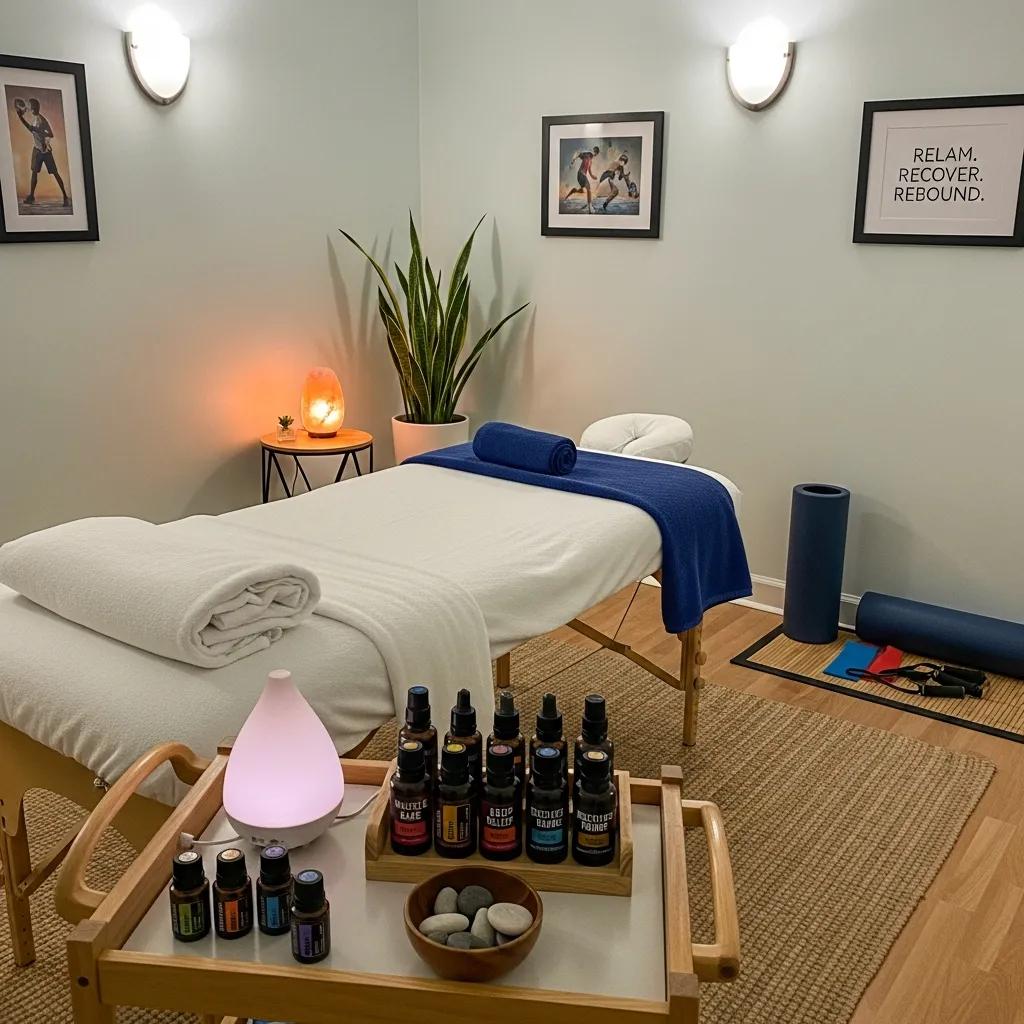
Sports massage is a specialized form of massage therapy designed to enhance athletic performance and facilitate recovery. By targeting specific muscle groups and employing techniques such as deep tissue massage and myofascial release, sports massage helps alleviate muscle tension, improve circulation, and enhance flexibility. Athletes often face challenges such as muscle soreness and injury,
which can hinder their performance. Sports massage offers a solution by promoting faster recovery and reducing the risk of injuries. This article will explore the key benefits of sports massage, how it supports muscle recovery, and the services offered by Dekhna Wellness Inc. in Long Island City.
Indeed, the comprehensive impact of massage therapy on an athlete’s overall well-being and physical readiness is well-documented.
Role of Massage in Sports Performance & Injury Recovery
PurposeTo identify current literature relating to sports massage and its role in effecting an athlete’s psychological readiness, in enhancing sports performance, in recovery from exercise and competition, and in the treatment of sports related musculoskeletal injuries.
The role of massage in sports performance and rehabilitation: current evidence and future direction, J Brummitt, 2008
What Are the Key Benefits of Sports Massage for Athletic Recovery?
Sports massage provides numerous benefits that are essential for athletes looking to optimize their performance and recovery. massage therapy.
- Relieves Muscle Tightness and Soreness: By applying targeted pressure to specific muscle groups, sports massage helps to release tension and alleviate soreness, allowing athletes to train more effectively.
- Improves Circulation: Enhanced blood flow promotes the delivery of oxygen and nutrients to muscles, facilitating quicker recovery and reducing fatigue.
- Enhances Flexibility and Joint Mobility: Regular sports massage can improve flexibility, which is crucial for maintaining optimal performance and preventing injuries.
Research further supports the efficacy of sports massage in enhancing physical capabilities.
Sports Massage Improves Range of Motion & Joint Function
The results of the analysis showed that the treatments of the SM and the FMPA improved the ROM and the joint function scale of the lower extremities (sig.
The Effectiveness of Fitness Massage After Physical Activity and Sport Massage of Lower Extremities in Improving Range of Motion and Joint Function Scale of Futsal …, AS Graha, 2022
For those seeking to experience these benefits firsthand, Dekhna Wellness Inc. offers tailored sports massage services designed to meet individual needs.
How Does Sports Massage Support Muscle Recovery and Reduce Injury Risk?
Sports massage plays a vital role in muscle recovery by addressing the physiological aspects of muscle repair. It works by alleviating fascial restrictions and promoting relaxation, which can lead to improved mental clarity and a deeper mind-body connection. This holistic approach not only aids in physical recovery but also supports psychological well-being, allowing athletes to maintain focus and motivation during their training.
Specifically, studies highlight massage therapy’s effectiveness in mitigating delayed-onset muscle soreness (DOMS) and accelerating recovery after intense workouts.
Massage Therapy for DOMS Recovery in Athletes
Thus, the objective of this study was to investigate the effects of massage therapy (MAS) or cold-water immersion (CWI) as a recovery intervention for DOMS in athletes following high-intensity physical activity during the CrossFit® Murph workout.
Effectiveness of cold-water immersion vs. massage in reducing delayed-onset muscle soreness and enhancing recovery following CrossFit® Murph Workout …, GS Pereira, 2025
Which Muscle Groups Benefit Most from Deep Tissue Massage in LIC?
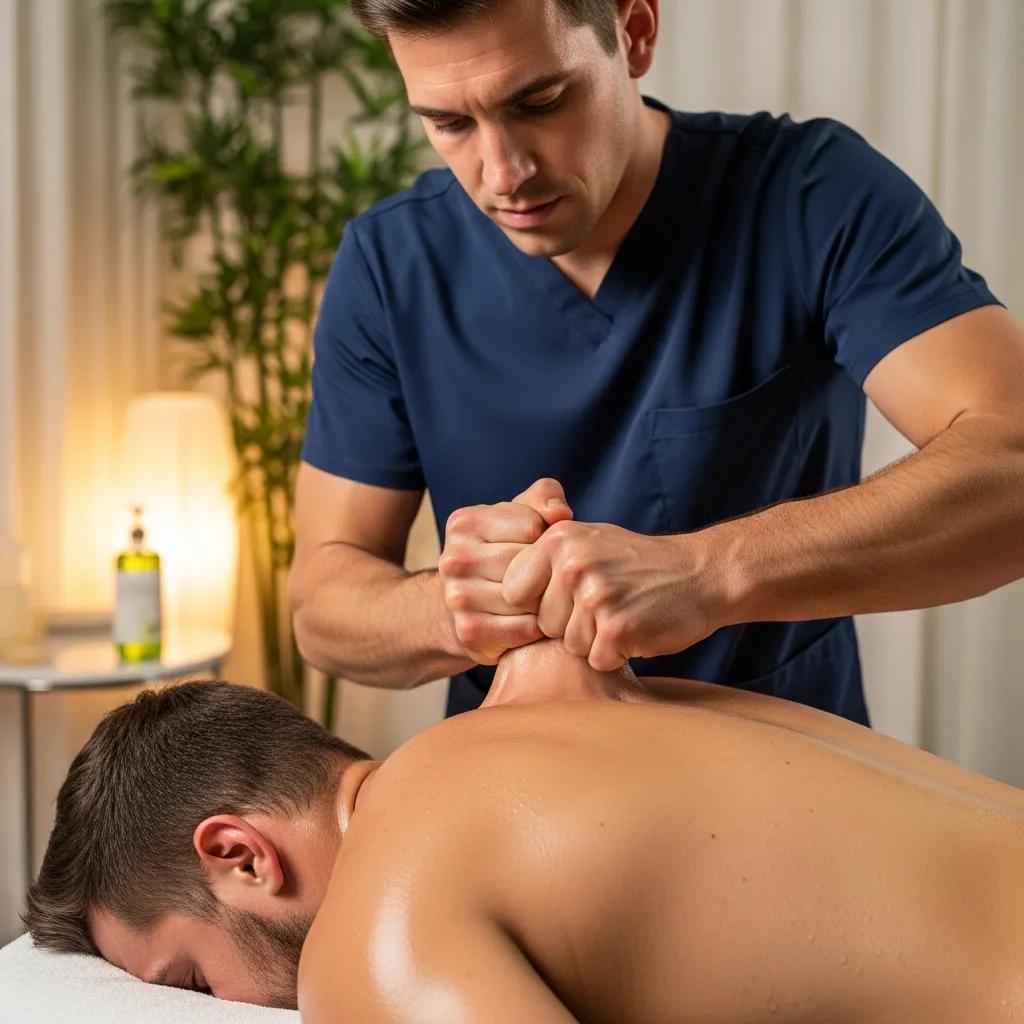
Deep tissue massage is particularly effective for several key muscle groups that are commonly stressed during athletic activities: massage therapy.
- Back: Targeting the back muscles helps alleviate tension and improve posture.
- Neck: Relieving tightness in the neck can enhance overall mobility and reduce headaches.
- Shoulders: Addressing shoulder tension is crucial for athletes involved in overhead sports.
- Legs: Focusing on the legs aids in recovery from running and other lower body activities.
These muscle groups benefit significantly from the targeted techniques used in deep tissue massage, enhancing overall mobility and performance.
How Does Personalized Post Workout Muscle Therapy Improve Performance?
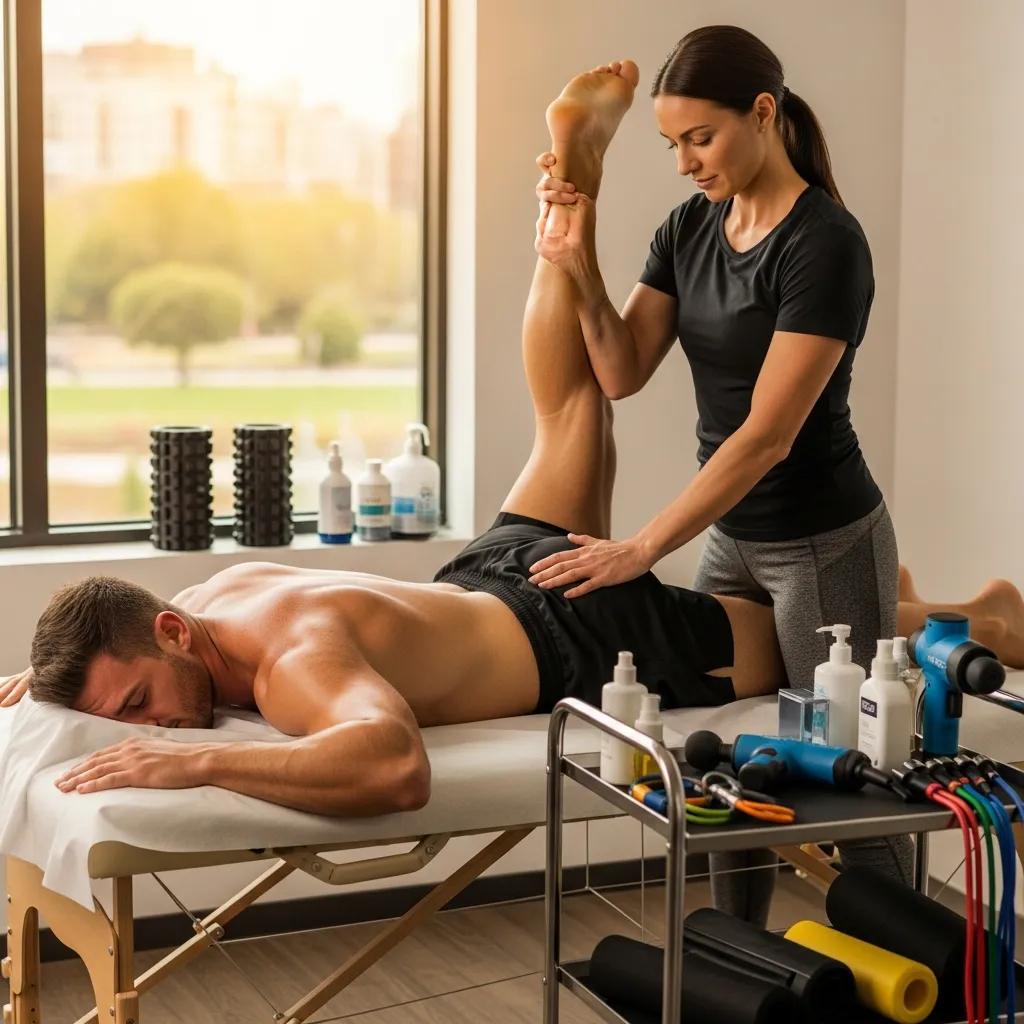
Personalized post-workout muscle therapy is tailored to the individual needs of athletes, incorporating various techniques to optimize recovery. This approach ensures that each session addresses specific muscle groups that may be fatigued or injured. By focusing on alignment and recovery, personalized massage therapy can lead to improved performance in subsequent training sessions and competitions.
What Are the Components of Effective Post Workout Muscle Therapy?
Effective post-workout muscle therapy includes several key components that work together to enhance recovery:
- Massage Therapy Techniques: Utilizing various massage techniques, such as myofascial release and trigger point therapy, to target specific areas of tension.
- Active Recovery Methods: Incorporating light exercises or stretches to promote blood flow and prevent stiffness.
- Mind-Body Practices: Engaging in practices such as mindfulness or breathing exercises to support mental recovery.
These components collectively contribute to a comprehensive recovery strategy that maximizes athletic performance.
How Is Functional Movement Training Integrated with Sports Massage?
Functional movement training focuses on improving the body’s ability to perform everyday activities and sports-specific movements. Integrating this training with sports massage enhances the therapeutic benefits by addressing both physical and functional aspects of recovery. Therapeutic massage can help identify and alleviate movement restrictions, while corrective exercise strategies can improve overall physical capabilities, leading to enhanced confidence in athletic performance.
Injury Recovery and Pain Management at Dekhana Wellness Inc.
Sports injury rehabilitation and chronic pain management services are beneficial for a wide range of individuals, including:
- Athletes Recovering from Injuries: Tailored rehabilitation programs can help athletes regain strength and mobility after an injury.
- Seniors with Chronic Pain: Older adults can benefit from gentle therapies that alleviate pain and improve quality of life.
- Office Workers with Repetitive Strain Injuries: Targeted treatments can address issues arising from prolonged sitting and repetitive motions.
These services are designed to cater to the unique needs of each demographic, promoting recovery and enhancing overall well-being.
What Sports Injury Rehabilitation Services Does Dekhna Wellness Offer?
Dekhna Wellness provides a variety of sports injury rehabilitation services, including:
- Personalized Injury Recovery Programs: Tailored plans that focus on individual recovery goals and timelines.
- Holistic Approach to Recovery: Integrating physical therapy, massage, and wellness practices for comprehensive care.
- Expert Guidance from Certified Trainers: Professional support to ensure safe and effective recovery strategies.
These services are designed to facilitate a smooth recovery process and help clients return to their activities as quickly and safely as possible.
How Does Sports Massage Aid in Managing Chronic Pain and Stress Relief?
Sports massage is effective in managing chronic pain and providing stress relief through various therapeutic techniques. By utilizing targeted massage methods, it can help release muscle tension and improve circulation, which are essential for pain management. Additionally, the relaxation induced by massage can significantly reduce stress levels, promoting overall mental well-being.
How Can You Book and Prepare for Your Sports Massage Session in Long Island City?
Booking a sports massage session at Dekhna Wellness is straightforward. Clients can contact the studio directly to schedule an appointment. Preparation for the session includes arriving hydrated and wearing comfortable clothing to facilitate movement during the massage. Understanding what to expect during the session can enhance the overall experience.
What Is the Booking Process and What Should Clients Expect?
The booking process at Dekhna Wellness involves a few simple steps:
- Contact the Studio: Reach out via phone or email to schedule an appointment.
- Discuss Your Needs: Share any specific concerns or areas of focus with the therapist.
- Prepare for Your Session: Arrive on time, dressed comfortably, and ready to communicate your preferences.
Clients can expect a personalized experience tailored to their individual needs, ensuring maximum benefit from their session.
Which Preparations Enhance the Effectiveness of Your Sports Massage?
To enhance the effectiveness of a sports massage, consider the following preparations:
- Choosing the Right Massage Type: Discuss with your therapist to determine the most suitable massage technique for your needs.
- Finding a Reputable Studio: Ensure that the massage studio has qualified therapists with experience in sports massage.
- Post-Massage Care: Follow any aftercare advice provided by your therapist to maximize recovery benefits.
These preparations can significantly improve the outcomes of your sports massage experience, leading to better recovery and performance.
Frequently Asked Questions
What should I expect during my first sports massage session?
During your first sports massage session, you can expect a thorough consultation where the therapist will discuss your athletic history, any specific injuries, and your goals for the session. The therapist will then tailor the massage techniques to your needs, focusing on areas of tension or discomfort. You should feel comfortable communicating your preferences and any discomfort during the massage. The session typically lasts between 60 to 90 minutes, and you may experience immediate relief as well as longer-term benefits.
How often should athletes receive sports massage?
The frequency of sports massage sessions can vary based on individual needs, training intensity, and recovery goals. Generally, athletes may benefit from receiving a sports massage once a week during peak training periods or before competitions. During off-seasons or lighter training phases, bi-weekly or monthly sessions may suffice. Listening to your body and consulting with your therapist can help determine the optimal schedule to enhance recovery and performance while preventing injuries.
Can sports massage help with mental focus and performance anxiety?
Yes, sports massage can significantly aid in improving mental focus and reducing performance anxiety. The relaxation induced by massage therapy helps lower stress levels and promotes a sense of calm, which can enhance mental clarity. By alleviating physical tension, athletes may find it easier to concentrate on their performance. Additionally, the mind-body connection fostered during massage can boost confidence and motivation, making it a valuable tool for athletes facing competitive pressures.
Are there any contraindications for sports massage?
While sports massage is generally safe, certain conditions may contraindicate its use. Individuals with acute injuries, infections, or skin conditions should avoid massage until cleared by a healthcare professional. Additionally, those with circulatory issues, such as deep vein thrombosis, or certain medical conditions, like severe osteoporosis, should consult their doctor before receiving massage therapy. Always inform your therapist of any health concerns to ensure a safe and effective treatment.
What should I do after a sports massage session?
After a sports massage session, it’s essential to hydrate well to help flush out toxins released during the massage. Light stretching can also be beneficial to maintain flexibility and prevent stiffness. Avoid intense workouts for at least 24 hours to allow your muscles to recover fully. If your therapist provided specific aftercare instructions, be sure to follow them for optimal recovery. Listening to your body and allowing time for rest will enhance the benefits of your massage therapy.
How does sports massage differ from regular massage therapy?
Sports massage is specifically designed to address the needs of athletes and active individuals, focusing on enhancing performance and aiding recovery. It employs techniques such as deep tissue massage and myofascial release, targeting specific muscle groups that are stressed during athletic activities. In contrast, regular massage therapy may focus more on relaxation and general well-being. While both types of massage offer benefits, sports massage is tailored to the unique demands of physical activity and injury prevention.
Conclusion
Sports massage is a powerful tool for athletes, offering benefits such as reduced muscle soreness, improved circulation, and enhanced flexibility. By integrating personalized techniques, it supports faster recovery and minimizes injury risks, ultimately leading to better performance. Experience the transformative effects of sports massage at Dekhna Wellness Inc. and take your athletic journey to the next level. Schedule your appointment today to unlock your full potential.