

Spinal Health & Decompression Exercises in Long Island City

Spinal health plays a crucial role in our overall well-being, directly influencing both mobility and pain management. This guide explores the complex relationship between the spine and general health, focusing on effective decompression exercises that can enhance quality of life. Many individuals often experience discomfort or restricted movement due to common spinal issues, making it essential to understand how to address these concerns effectively.
Throughout this article, we will delve into the anatomy of the spine, the significance of spinal health, and practical exercises for spinal decompression. Key sections will cover topics such as ELDOA exercises, nonsurgical decompression techniques available in Long Island City, and local resources for maintaining spinal health.
What Is Spinal Health and Why Is It Important for Overall Well-being?
Spinal health refers to the condition of the spine and its ability to perform its essential functions, particularly in supporting the body and protecting the spinal cord. A healthy spine contributes significantly to our overall well-being, affecting posture, movement, and organ function. Proper spinal alignment allows for optimal movement patterns, which can enhance daily activities and reduce the risk of injury or chronic pain. When spinal health is compromised, it may lead to various health issues, including reduced mobility and chronic pain.
How Does Spinal Anatomy Affect Postural Alignment and Mobility?
The structural design of the spine, consisting of vertebrae, intervertebral discs, and spinal nerves, plays a critical role in postural alignment and mobility. Each component of the spinal anatomy is interdependent, meaning any dysfunction in one area can lead to compensatory changes elsewhere. For example, misalignment may cause spinal nerves to become compressed, leading to pain and reduced range of motion. Maintaining proper postural alignment through exercises focused on spinal health is essential for enhancing overall mobility and preventing musculoskeletal disorders.
Functional Anatomy of the Spine: Support and Mobility
This chapter explores the intricate functional anatomy of the human spine, an engineering marvel that balances the dual demands of support and mobility. It delves into the complex structure of the spine, detailing the vertebrae, intervertebral discs, muscles, ligaments, and nerves.
Functional Anatomy of the Spine, A Durbas, 2025
What Are Common Spinal Conditions and Their Impact on Daily Life?
Common spinal conditions such as herniated discs, scoliosis, and degenerative disc disease can significantly affect an individual’s quality of life. Each of these conditions presents unique challenges, including chronic pain, limited mobility, and even neurological symptoms. For instance, herniated discs can compress spinal nerves, resulting in pain, numbness, or weakness in the limbs. Addressing these conditions through proactive spinal health practices can alleviate symptoms and improve daily functioning, emphasizing the need for effective management strategies.
How Do ELDOA Exercises Enhance Spinal Decompression and Improve Back Health?
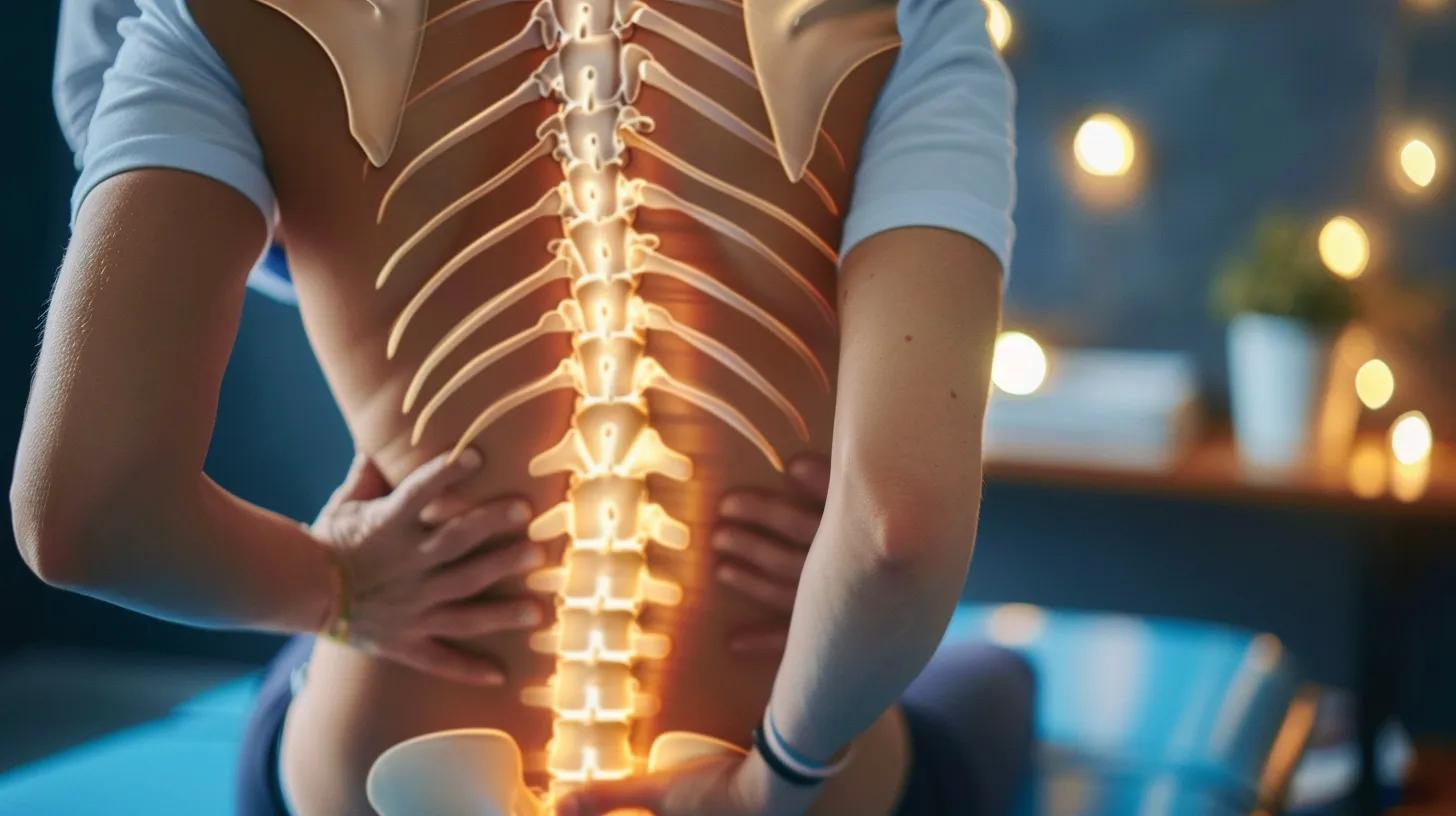
ELDOA (Étirements Longitudinaux avec Decoaptation Osteo-Articulaire) exercises are specialized stretching techniques designed to create space between the vertebrae, promoting spinal decompression and overall back health. This method focuses on specific positions that target various segments of the spine, allowing for increased hydration of intervertebral discs and better alignment. The dynamic nature of ELDOA encourages improved posture and flexibility, playing a significant role in pain relief and enhanced mobility.
What Is the ELDOA Method and How Does It Work?
The ELDOA method is a unique approach that combines precise postural control and breathing techniques to create decompression in the spine. It emphasizes the elongation of the spine through specific exercises that engage various muscle groups, promoting better alignment and function. As individuals practice ELDOA, the targeted stretching aids in reducing nerve compression, allowing for improved mobility and relief from discomfort. This method is particularly beneficial for those suffering from chronic back pain or stiffness, making it a valuable tool for enhancing spinal health.
What Are the Benefits of ELDOA for Chronic Back Pain and Mobility?
One of the primary benefits of ELDOA exercises is their capacity to alleviate chronic back pain by promoting spinal decompression and improved posture. Regular practice of these exercises can lead to increased flexibility, enhanced mobility, and even improved athletic performance. Various studies have shown that individuals incorporating ELDOA into their routines experience notable reductions in pain and improvements in daily activities. The emphasis on long-term spinal health makes ELDOA a strategic addition to any rehabilitation or wellness program.
ELDOA vs. McKenzie Exercises for Low Back Pain Relief
Low back pain may lead cause disability in the patients. There are several physical therapy protocols used to manage the low back pain including McKenzie exercises. The Elongation Longitudinaux Avec Decoaptation Osteo Articulaire (ELDOVA) is novel techniques could help to reduce the pain and disability related to lower back problems.Effects of ELDOA technique versus McKenzie extension exercises on non-specific low back pain patients.: a randomized clinical trial, R Kanwal, 2022
What Nonsurgical Spinal Decompression Techniques Are Available in Long Island City?
In Long Island City, various nonsurgical spinal decompression techniques are offered, catering to those seeking relief from chronic back pain without invasive procedures. These techniques include physical therapy, chiropractic adjustments, and traction therapy, each providing unique benefits for spinal health.
How Do Chiropractic Care and Physical Therapy Support Spinal Health?
Chiropractic care and physical therapy are critical components in the management of spinal health. Chiropractic adjustments focus on realigning the spine and improving function, often resulting in immediate relief from pain and discomfort. Physical therapy complements chiropractic care by incorporating specific exercises tailored to strengthen core support muscles and improve flexibility. Together, these approaches foster a comprehensive strategy to enhance spinal health and functionality.
Which Clinics and Therapists Offer Nonsurgical Decompression in Long Island City?
In Long Island City, there are several clinics and therapists specializing in nonsurgical spinal decompression. These facilities typically offer a range of treatments, including chiropractic services, physical therapy, and ELDOA training, providing patients with personalized care plans. Patients are encouraged to research and choose a provider based on their specific needs and the services offered, ensuring they receive comprehensive support for their spinal health.
Why Are Posture Correction Exercises Essential for Maintaining Spinal Alignment?
Posture correction exercises are vital for maintaining proper spinal alignment and preventing long-term musculoskeletal issues. Consistently practicing these exercises helps reinforce healthy movement patterns and reduce the risk of developing chronic pain. Poor posture can lead to increased strain on the spine, making it essential to address postural habits through targeted exercises.
What Are Effective Postural Alignment Exercises for Spinal Health?
Effective postural alignment exercises include movements that strengthen the core, stretch tight muscles, and promote awareness of body positioning. Some beneficial exercises might include:
- Planks: Strengthen core muscles, providing essential support for the spine.
- Wall Angels: Improve shoulder mobility and align the spine by retraining muscle memory.
- Cat-Cow Stretch: Enhances spinal flexibility and promotes healthy movement mechanics.
Integrating these exercises into daily routines can significantly contribute to maintaining spinal health and overall wellness.
How Does Improved Posture Enhance the Benefits of Spinal Decompression Therapy?
Improved posture amplifies the benefits of spinal decompression therapy by ensuring that the spine maintains its optimal alignment post-treatment. When individuals practice good posture alongside decompression techniques, they stabilize their spine’s position, allowing for better long-term health outcomes. Moreover, studies have shown that individuals who focus on improving their posture experience improved results from decompression therapy when compared to those who do not.
How Can Patients Maximize Spinal Health Outcomes Through Integrated Exercise Plans?
Integrating a comprehensive exercise plan that includes various approaches can significantly enhance spinal health outcomes. Patients are encouraged to consider a holistic approach that combines ELDOA, posture correction exercises, and professional care.
What Is the Recommended Treatment Duration and Frequency for Decompression Exercises?
The recommended duration for decompression exercises varies based on individual needs and conditions. Generally, practitioners suggest engaging in decompression exercises at least 2-3 times per week for optimal results. A longer treatment plan, often spanning from 8 to 12 weeks, may be beneficial for those experiencing chronic symptoms to achieve maximum relief and improved functionality.
How Can Combining ELDOA, Posture Exercises, and Professional Care Improve Results?
Combining ELDOA exercises with posture correction and professional care creates a synergistic effect that can lead to enhanced spinal health outcomes. This integrated approach allows patients to address multiple facets of spinal health, from muscle strength and flexibility to alignment and decompression. Practitioners often note significant improvements in pain relief and mobility when patients engage in a comprehensive program.
What Local Resources and Support Are Available for Spinal Health in Long Island City?
Long Island City offers a range of resources and support systems for those looking to improve their spinal health. From wellness centers to educational workshops, individuals can access valuable information and services to help them on their journey.
Which Wellness Centers and Clinics Specialize in Spinal Decompression?
Several wellness centers in Long Island City focus on spinal decompression therapies. These facilities provide services including chiropractic adjustments, massage therapy, and specially designed exercise programs tailored to meet individual needs. Potential patients are encouraged to visit these centers to learn more about their offerings and choose the one that best aligns with their health goals.
How Can Patients Access Educational Materials and Exercise Demonstrations?
Patients can easily access various educational materials related to spinal health through local wellness centers, libraries, and online resources. These materials often include instructional videos, brochures, and workshops aimed at promoting awareness and understanding of spinal health practices. Engaging with these resources can empower patients to take proactive steps towards maintaining a healthy spine.
Frequently Asked Questions
What role does nutrition play in spinal health?
Nutrition plays a vital role in spinal health by providing the essential nutrients needed for the maintenance and repair of bones, muscles, and connective tissues. A balanced diet rich in calcium, vitamin D, omega-3 fatty acids, and antioxidants supports optimal bone density and reduces inflammation. Foods such as leafy greens, fatty fish, nuts, and seeds can help promote healthy intervertebral discs and overall spinal integrity. Adequate hydration is equally crucial, as it helps maintain the elasticity and functionality of spinal structures.
How can stress impact spinal health?
Stress can significantly impact spinal health by contributing to muscle tension and poor postural habits. When individuals experience stress, they often tighten their muscles, especially in the neck and back, leading to discomfort and increased risk of injury. Chronic stress can also promote inflammation throughout the body, exacerbating existing spinal conditions. Managing stress through techniques such as mindfulness, yoga, and regular exercise can help alleviate tension and support spinal alignment, ultimately promoting better health and well-being.
Are there specific lifestyle habits that can harm spinal health?
Yes, several lifestyle habits can negatively affect spinal health. Poor posture, particularly during prolonged sitting or using electronic devices, can lead to spinal misalignment and discomfort. Lack of physical activity can weaken the core muscles, making it harder for the spine to maintain proper alignment. Additionally, habits such as smoking negatively impact blood circulation and bone health, increasing the risk of spinal problems. Making informed choices regarding ergonomics, exercise, and general wellness can help mitigate these risks.
What are some warning signs of spinal issues I should not ignore?
Warning signs of spinal issues include persistent back pain, numbness or tingling in the arms or legs, changes in bowel or bladder control, and difficulty in standing or walking. If you experience muscle weakness or severe pain that radiates down your legs, it could indicate nerve compression or a herniated disc. Ignoring these symptoms can result in more significant health problems, so it’s crucial to consult a healthcare professional for evaluation and potential intervention.
How can I maintain spinal health as I age?
To maintain spinal health as you age, focus on engaging in regular physical activity that promotes flexibility, strength, and balance. Incorporating exercises such as walking, swimming, yoga, and core-strengthening workouts can help preserve mobility and support spinal alignment. Additionally, prioritize nutrition that supports bone health and stay hydrated. Periodic check-ins with healthcare professionals to assess spinal health and adjust exercise routines are also important to adapt to the changing needs of your body as you age.
What is the importance of regular spinal check-ups?
Regular spinal check-ups are important for early detection and prevention of spinal issues. Healthcare providers can assess spinal alignment, mobility, and overall health to catch potential problems before they escalate. These evaluations may include physical examinations, imaging tests, and recommendations for personalized treatment or exercise plans. Early intervention can significantly enhance recovery outcomes and ensure the maintenance of optimal spinal health and function throughout life.
Conclusion
Understanding and prioritizing spinal health is essential for overall well-being, as it directly influences mobility and pain management. Practicing effective decompression exercises and utilizing professional support can lead to significant improvements in daily life quality. By taking proactive steps toward spinal care, individuals can prevent chronic issues and enhance their functional capabilities. Discover more about methods and resources available for optimizing your spinal health today.