
Senior Fitness Programs Long Island City: Active Aging
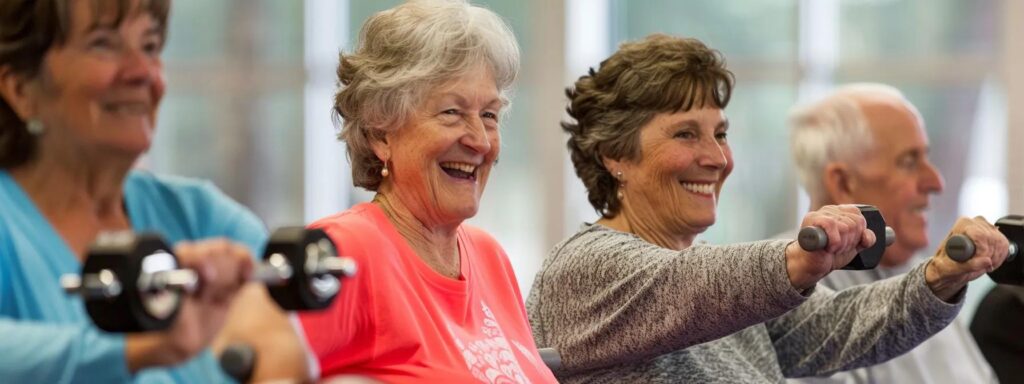
As we age, maintaining physical fitness becomes crucial for overall health and well-being. Senior fitness programs are specifically designed to address the unique needs of older adults, promoting active aging and enhancing mobility. In Long Island City, these programs offer a variety of benefits, including improved strength, flexibility, and balance, which are essential for preventing falls and maintaining independence. This article will explore the various aspects of senior fitness programs, including their benefits, types of exercises, and how they can be tailored to individual needs. We will also discuss the importance of mobility training and fall prevention exercises, as well as how personalized coaching can enhance the effectiveness of these programs.
What Are Senior Fitness Programs and Their Benefits in Long Island City?
Senior fitness programs encompass a range of activities designed to improve the physical health of older adults. These programs typically include personalized training options, small group classes, and holistic wellness services that cater to the specific needs of seniors. The benefits of participating in these programs are numerous:
- Enhanced Mobility: Regular exercise helps improve joint flexibility and muscle strength, making daily activities easier.
- Fall Prevention: Strength and balance training significantly reduce the risk of falls, a common concern for seniors.
- Social Engagement: Group classes foster a sense of community, reducing feelings of isolation and promoting mental well-being.
In Long Island City, Dekhana Wellness Inc. offers tailored senior fitness programs that focus on these benefits, ensuring that participants receive the support they need to thrive.
How Do Senior Exercise Classes Support Active Aging?
Senior exercise classes play a vital role in promoting active aging by providing structured environments where older adults can engage in physical activity. These classes are designed to enhance balance, improve mobility, and foster community support among participants.
The benefits of senior exercise classes include:
- Improved Balance: Regular participation helps seniors develop better coordination and stability, reducing the risk of falls.
- Increased Strength: Strength training exercises help maintain muscle mass, which naturally declines with age.
- Community Support: Engaging in group activities encourages social interaction, which is essential for mental health.
By participating in these classes, seniors can enjoy a more active lifestyle, contributing to their overall health and happiness.
Which Movement for Longevity Exercises Improve Senior Mobility?

Movement for longevity exercises are specifically designed to enhance mobility and flexibility in seniors. These exercises focus on improving range of motion and functional strength, which are crucial for maintaining independence. Some effective exercises include:
- Flexibility Training: Stretching exercises that improve joint flexibility and reduce stiffness.
- Fascial Stretching Techniques: These techniques target the connective tissues, promoting better movement patterns.
- Balance Exercises: Activities such as tai chi or yoga that enhance stability and coordination.
Incorporating these exercises into a regular fitness routine can significantly improve mobility and overall quality of life for seniors.
What Are Balance Improvement Exercises for Seniors?
Balance improvement exercises are essential for seniors to prevent falls and maintain independence. These exercises focus on enhancing stability and coordination, which are critical as we age. Some effective balance exercises include:
- Use of Balance Trainers: Tools like balance boards or stability balls can help improve core strength and stability.
- Bosu Balance Trainer Exercises: These exercises challenge balance and coordination, making them effective for fall prevention.
- Balance Board Workouts: Engaging in activities on a balance board can enhance proprioception and core strength.
By regularly practicing these exercises, seniors can significantly reduce their risk of falls and enhance their overall stability.
Research further supports the efficacy of specialized equipment in enhancing stability for older adults.
BOSU Strength & Balance Training for Elderly Mobility & Quality of Life
This study aimed to investigate the effects of a 12-week BOSU-based strength and balance training program on postural stability, muscle strength, agility, flexibility, and quality of life in geriatric adults aged 65 and over. Thirty elderly men participated in the study. Participants engaged in supervised BOSU exercises three days per week. Pre-test and post-test measurements were conducted using valid tools such as the Y Balance Test, proprioception assessments, isometric strength tests, and the SF-36 Quality of Life Questionnaire. Statistical significance was assessed using appropriate parametric and non-parametric tests. Significant improvements were observed in balance, proprioception, and lower extremity muscle strength. Notable increases were also detected in agility (Hexagon Obstacle Test), flexibility, and vertical jump performance. Quality of life, as assessed by the SF-36, showed significant improvement.
Effects of Strength and Balance Training on BOSU in Elderly Individuals, E Akaras, 2026
How Does Mobility Training Enhance Daily Function?
Mobility training is crucial for seniors as it directly impacts their ability to perform daily activities. This type of training focuses on improving flexibility, strength, and range of motion, which are essential for maintaining independence.
The benefits of mobility training include:
- Improved Flexibility: Enhanced flexibility allows for easier movement and reduces the risk of injury.
- Enhanced Range of Motion: Increased range of motion in joints facilitates better performance of daily tasks.
- Support for Chronic Pain Management: Mobility training can alleviate discomfort associated with chronic conditions, improving overall quality of life.
Incorporating mobility training into a fitness routine can lead to significant improvements in daily functioning for seniors.
How Do Fall Prevention Exercises Reduce Risks for Seniors?
Fall prevention exercises are specifically designed to reduce the risk of falls among seniors. These exercises focus on increasing strength, flexibility, and balance, which are critical components of fall prevention.
Key benefits of fall prevention exercises include:
- Increased Strength and Flexibility: Strength training enhances muscle support around joints, while flexibility exercises improve range of motion.
- Improved Balance and Coordination: Regular practice of balance exercises helps seniors maintain stability and coordination.
- Personalized Programs: Tailored fall prevention programs can address individual needs and limitations, ensuring effective training.
By participating in fall prevention exercises, seniors can significantly lower their risk of falls and maintain their independence.
Studies have specifically investigated various exercise modalities, including BOSU ball exercises, for their effectiveness in improving balance and preventing falls among the elderly.
Otago & BOSU Ball Exercises for Elderly Balance & Fall Prevention
Objective: The objective of this study was to compare the effect of OTAGO exercise and BOSU ball exercise on balance training among geriatric population. Geriatric indicates the elderly people with age group more than 60. Balance is the state of equilibrium; three sensors drive a sense of balance (vision, proprioception, and vestibular). As the age increases, there will be some degenerative changes, the loss of any one of these systems affects balance which may result in falls and increased morbidity. The study focuses on the effectiveness of OTAGO exercise and BOSU ball exercise in elderly people.
Efficacy of Otago exercise versus Bosu ball exercise in balance-impaired elderly people, 2020
What Step-by-Step Fall Prevention Techniques Are Recommended?
Implementing effective fall prevention techniques is essential for seniors. Here are some recommended steps:
- Strength and Flexibility Training: Engage in regular strength training and flexibility exercises to enhance muscle support and joint mobility.
- Balance Exercises: Incorporate activities that challenge balance, such as tai chi or yoga, into your routine.
- Core Strength Training: Focus on exercises that strengthen the core, as a strong core is vital for maintaining stability.
These techniques can be easily integrated into a senior fitness program, providing a comprehensive approach to fall prevention.
How Does Strength Building Contribute to Fall Safety?
Strength building is a critical component of fall safety for seniors. By enhancing muscle strength, seniors can improve their overall stability and reduce the risk of falls.
The relationship between strength building and fall safety includes:
- Improved Muscle Strength: Stronger muscles provide better support for joints, reducing the likelihood of falls.
- Enhanced Coordination: Strength training improves neuromuscular coordination, which is essential for maintaining balance.
- Regular Strength Training Benefits: Consistent strength training leads to long-term improvements in physical function and safety.
Incorporating strength-building exercises into a fitness routine can significantly enhance fall safety for seniors.
What Personalized Senior Fitness Coaching Options Are Available in LIC?
Personalized senior fitness coaching options are essential for tailoring fitness programs to individual needs. These coaching sessions can provide customized training plans that address specific goals and limitations.
Key features of personalized coaching include:
- Customized Sessions: Coaches develop individualized plans based on each senior’s fitness level and health status.
- One-on-One Coaching: Personalized attention ensures that exercises are performed safely and effectively.
- Integration of Various Modalities: Coaches can incorporate different training methods, such as strength training, flexibility exercises, and balance work, to create a well-rounded program.
By opting for personalized coaching, seniors can achieve their fitness goals more effectively and safely.
The concept of personalized support extends to digital platforms, where adaptive coaching systems can provide tailored guidance for seniors to increase physical and social activity.
Personalized Digital Coaching for Senior Physical Activity
The overall aim of this research is to develop an adaptive digital coaching system that gives seniors personalized support for increasing physical activity, and promoting participation in social activity and their own care. The main research question is how can different behavioral and motivational factors of an individual be formally integrated into the knowledge base of a coach agent for generating support tailored to the individual’s needs and preferences in a specific situation?
Personalised persuasive coaching to increase older adults’ physical and social activities: a motivational model, H Lindgren, 2017
How Is Training Tailored to Individual Needs and Chronic Pain?
Training for seniors can be tailored to accommodate individual needs and chronic pain management. This approach ensures that seniors can participate in fitness programs without exacerbating existing conditions.
Key aspects of tailored training include:
- Customized Training Plans: Coaches assess individual needs and create plans that consider any chronic pain or limitations.
- Corrective Exercise Strategies: These strategies focus on addressing specific movement dysfunctions to improve overall function.
- Integration of Massage Therapy: Incorporating therapeutic techniques can help alleviate pain and enhance recovery.
Tailoring training to individual needs allows seniors to engage in fitness programs safely and effectively. Wellness studio
How Can Seniors Book Personalized Sessions at Dekhana Wellness?
Booking personalized sessions at Dekhana Wellness is a straightforward process designed to ensure that seniors receive the support they need.
The steps to book a session include:
- Initial Consultation Process: Seniors can schedule an initial consultation to discuss their fitness goals and health status.
- Assessment of Fitness Level: Coaches assess each individual’s fitness level to create a tailored program.
- Tailored Program Design: Based on the assessment, a personalized fitness program is designed to meet the specific needs of the senior.
This process ensures that seniors receive the appropriate guidance and support to achieve their fitness goals.
How Do Stress Relief Therapies Complement Senior Fitness Programs?
Stress relief therapies play a significant role in enhancing the effectiveness of senior fitness programs. These therapies can help manage stress and promote overall well-being, which is essential for active aging.
The benefits of integrating stress relief therapies include:
- Benefits of Stress Relief Therapies: Techniques such as meditation and deep breathing can reduce anxiety and improve mental clarity.
- Support for Emotional Well-Being: Engaging in stress relief activities fosters a positive mindset, which is crucial for maintaining motivation in fitness programs.
- Holistic Approach to Wellness: Combining physical fitness with stress management creates a comprehensive wellness strategy for seniors.
By incorporating stress relief therapies, seniors can enhance their overall fitness experience and well-being. stress relief therapies
What Pain Management Techniques Are Integrated in Training?

Pain management techniques are essential for seniors participating in fitness programs, especially those with chronic pain conditions. These techniques can help alleviate discomfort and improve overall function.
Key pain management techniques include:
- Therapeutic Massage Benefits: Massage therapy can relieve muscle tension and improve circulation, aiding recovery.
- Corrective Exercise Strategies: These strategies focus on improving movement patterns to reduce pain and enhance function.
- ELDOA Techniques: This method involves specific postures that promote spinal health and alleviate discomfort.
Integrating these techniques into training can significantly enhance the fitness experience for seniors.
How Does Holistic Wellness Enhance Active Aging Outcomes?
Holistic wellness approaches are vital for enhancing active aging outcomes. These approaches consider the physical, emotional, and social aspects of health, promoting overall well-being.
The benefits of holistic wellness include:
- Enhanced Mobility and Flexibility: A holistic approach incorporates various modalities that improve physical function.
- Chronic Pain Management: Addressing pain through multiple strategies can lead to better outcomes for seniors.
- Community Support: Engaging in group activities fosters social connections, which are essential for mental health.
By embracing holistic wellness, seniors can achieve better health outcomes and enjoy a more fulfilling life.
Where Can Seniors Find Trusted Fitness Programs in Long Island City?
Seniors seeking trusted fitness programs in Long Island City can explore various options that cater to their specific needs.
Key features to look for in a fitness program include:
- Personal Training Options: Programs that offer personalized training can better address individual goals and limitations.
- Small Group Classes: These classes provide a supportive environment for social interaction and motivation.
- Mobility and Flexibility Training: Programs that focus on these areas are essential for maintaining independence and preventing falls.
By choosing reputable fitness programs, seniors can ensure they receive the support they need to thrive.
What Do Client Testimonials Reveal About Dekhana Wellness?
Client testimonials provide valuable insights into the effectiveness of Dekhana Wellness’s programs. Many clients report significant improvements in their physical health and overall well-being after participating in the fitness programs offered.
Key insights from testimonials include:
- Client Experiences: Many seniors express satisfaction with the personalized attention and support they receive.
- Success Stories: Numerous clients share stories of improved mobility and reduced pain, highlighting the effectiveness of the programs.
- Community Impact: Clients often mention the positive social interactions and sense of community fostered by the programs.
These testimonials underscore the value of Dekhata Wellness in promoting active aging and enhancing the quality of life for seniors.
How Does Dekhana Wellness Compare to Other LIC Senior Fitness Centers?
Dekhana Wellness stands out among other senior fitness centers in Long Island City due to its focus on personalized training and holistic wellness.
Key differentiators include:
- Customized Training Plans: Unlike many centers, Dekhana Wellness offers tailored programs that address individual needs and goals.
- Focus on Mind-Body Connection: The integration of mental wellness strategies alongside physical training sets Dekhana apart.
- Community Engagement: The center fosters a strong sense of community, encouraging social interaction and support among participants.
These factors contribute to Dekhna Wellness’s reputation as a leading provider of senior fitness programs in Long Island City.
Frequently Asked Questions
What types of exercises are included in senior fitness programs?
Senior fitness programs typically include a variety of exercises tailored to the needs of older adults. These may encompass strength training, flexibility exercises, balance workouts, and cardiovascular activities. Common forms of exercise include resistance training with light weights, yoga, tai chi, and low-impact aerobics. The goal is to enhance mobility, strength, and overall fitness while minimizing the risk of injury. Programs are often designed to be adaptable, allowing seniors to progress at their own pace and accommodate any physical limitations.
How often should seniors participate in fitness classes?
It is generally recommended that seniors engage in fitness classes at least two to three times a week. This frequency allows for consistent improvement in strength, flexibility, and balance, which are crucial for maintaining independence and preventing falls. However, the specific frequency can vary based on individual fitness levels, health conditions, and personal goals. Consulting with a fitness professional can help seniors determine the best schedule that aligns with their needs and capabilities.
Are there any specific dietary recommendations for seniors involved in fitness programs?
Yes, nutrition plays a vital role in supporting the fitness and overall health of seniors. A balanced diet rich in fruits, vegetables, whole grains, lean proteins, and healthy fats is recommended. Seniors should focus on adequate protein intake to support muscle maintenance and repair, as well as hydration to prevent dehydration during physical activity. Additionally, consulting with a registered dietitian can provide personalized dietary advice that complements their fitness goals and addresses any specific health concerns.
What role does social interaction play in senior fitness programs?
Social interaction is a key component of senior fitness programs, as it fosters a sense of community and belonging among participants. Engaging in group classes can help reduce feelings of isolation and loneliness, which are common among older adults. Social connections can also enhance motivation and accountability, encouraging seniors to stick with their fitness routines. Many programs incorporate social activities or group challenges to promote camaraderie and support among participants, contributing to their overall well-being.
How can seniors track their progress in fitness programs?
Seniors can track their progress in fitness programs through various methods, including keeping a fitness journal, using mobile apps, or working with a personal trainer. Recording details such as exercise frequency, duration, and intensity can help seniors monitor improvements in strength, flexibility, and endurance. Additionally, regular assessments, such as measuring balance or mobility, can provide tangible evidence of progress. Setting specific, achievable goals can also motivate seniors to stay committed to their fitness journey.
What should seniors consider before starting a new fitness program?
Before starting a new fitness program, seniors should consider several factors, including their current health status, any existing medical conditions, and physical limitations. It is advisable to consult with a healthcare provider to ensure that the chosen program is safe and appropriate. Additionally, seniors should look for programs that offer personalized coaching and modifications to accommodate their needs. Starting slowly and gradually increasing intensity can help prevent injuries and ensure a positive experience in their fitness journey.
Conclusion
Participating in senior fitness programs in Long Island City offers numerous benefits, including enhanced mobility, improved strength, and reduced fall risk, all of which contribute to a healthier, more independent lifestyle. These programs not only promote physical well-being but also foster social connections, enriching the overall quality of life for older adults. By choosing a tailored fitness program, seniors can effectively address their unique needs and achieve their health goals. Discover the variety of options available at Dekhana Wellness and take the first step towards a more active life today.