
Posture Correction Personal Training in Long Island City
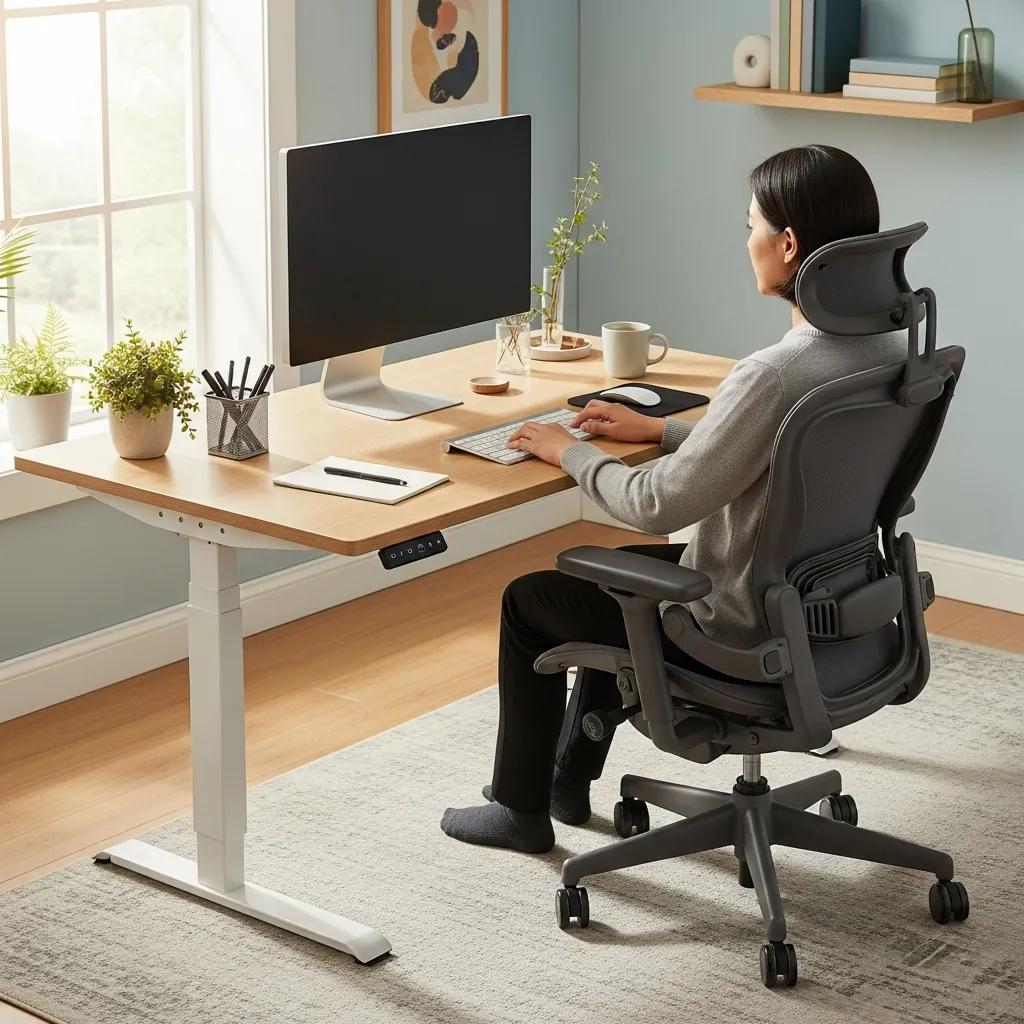
Dekhana Wellness in Long Island City offers personalized fitness programs that include posture correction through one-on-one personal training. Their approach combines strength training, posture work, core activation, and mobility exercises, all tailored to individual goals. They also incorporate techniques like ELDOA, which focuses on spinal alignment and decompression, to enhance posture and alleviate discomfort. Additionally, small group classes provide a supportive environment to improve posture and mobility with expert guidance.
Further research delves into the specifics of the ELDOA technique, highlighting its benefits for spinal health and pain reduction.
ELDOA Technique for Spinal Decompression
ELDOA is a revolutionary technique for improvement of health and longevity of the spine which is introduced by French osteopath; Guy Voyer. The primary goal of ELDOA is to apply focused internal tension and load to decrease pressure on the discs of spine, increase blood flow and to reduce pain at cervical spine.
Effects of modified ELDOA technique in patients with cervical radiculopathy: ELDOA technique in patients with cervical radiculopathy, H Azfar, 2022
Research further supports the efficacy of ELDOA in addressing posture-related discomfort, particularly in areas like the neck.
Studies specifically investigate the effectiveness of ELDOA in alleviating posture-related neck pain, a common issue among students and sedentary individuals.
ELDOA for Posture-Related Neck Pain Relief
Background: Mechanical neck pain is prevalent among university students due to prolonged poor posture and sedentary behavior, causing discomfort and functional limitations without underlying pathology. Elongation Longitudinal Décoaptation Ostéo-Articulaire (ELDOA) and manual myofascial release therapy have both shown efficacy in managing musculoskeletal pain, yet few studies have compared their effectiveness in treating posture-related neck pain.
… Effects of Elongation Longitudinal Décoaptation Ostéo-Articulaire (ELDOA) Versus Manual Myofascial Release Therapy on Mechanical Neck Pain Related to Poor …, AB Inam, 2025
ELDOA for Posture-Related Neck Pain
Background: Mechanical neck pain is prevalent among university students due to prolonged poor posture and sedentary behavior, causing discomfort and functional limitations without underlying pathology. Elongation Longitudinal Décoaptation Ostéo-Articulaire (ELDOA) and manual myofascial release therapy have both shown efficacy in managing musculoskeletal pain, yet few studies have compared their effectiveness in treating posture-related neck pain.
Comparative Effects of Elongation Longitudinal Décoaptation Ostéo-Articulaire (ELDOA) Versus Manual Myofascial Release Therapy on Mechanical Neck Pain …, AB Inam, 2025
What Are Posture Correction Exercises and How Do They Improve Body Alignment?
Posture correction exercises are designed to improve body alignment by addressing deficits in strength, mobility, and movement patterns. Certified trainers select specific exercises based on assessments to reinforce safe movement and correct faulty mechanics. Techniques like ELDOA, which involves precise postural holds and spinal decompression, help create space in the spine and enhance neurological awareness, leading to better alignment. These exercises, when practiced consistently, can reduce pain and improve proprioception, contributing to overall better posture and functional movement.
Key Techniques in Postural Alignment Coaching for Desk Workers
- Assessment and Exercise Selection: Trainers use assessment results to choose exercises that address deficits while promoting safe movement patterns.
- Technique Correction and Cueing: This involves providing verbal and tactile cues to enhance motor learning and improve load tolerance and movement economy.
- Mobility and Strength Sequencing: Mobility work is prioritized before heavy lifts to protect joints and facilitate safer force production.
- Progress Measurement: Objective metrics suchs as load, range-of-motion gains, and alignment checks are used to inform adjustments and track progress.
- Incorporation of ELDOA: This technique involves precise postural holds and spinal decompression exercises to improve spinal alignment and reduce discomfort.
- Recovery Modalities: Techniques like myofascial release and massage therapy are integrated to improve tissue quality and expedite recovery.
- Personalized Programming: Coaches design periodized plans tailored to individual short- and long-term goals, ensuring effective and safe progress.
These techniques collectively aim to enhance strength, mobility, and posture, particularly for individuals who spend long hours at desks.
Benefits of Corrective Exercise Specialists in Personal Training
- Expertise in Rehabilitation: Trainers often have certifications in corrective exercise and may have backgrounds in physical therapy or sports medicine, providing a deep understanding of the recovery process.
- Holistic Approach: They focus on both physical and emotional aspects of recovery, ensuring comprehensive support for clients.
- Personalized Training: Trainers assess individual needs and tailor exercise programs to address specific injuries and recovery goals, enhancing the effectiveness of the training.
- Progress Tracking: Regular evaluations and adjustments to training plans help monitor progress and ensure safe, effective recovery.
- Injury Prevention: They implement injury prevention exercise programs that strengthen vulnerable areas and improve body mechanics, reducing the risk of future injuries.
- Community Support: Group training sessions provide a supportive environment that can enhance recovery and overall fitness levels.
- Accountability: Structured training sessions and progress tracking create reliable training windows and motivate clients through visible progress.
These elements combine to create a more effective and supportive recovery experience for clients.
Massage & PT in LIC, Astoria & Williamsburg – Dekhana Wellness Inc
Personalized posture training at Dekhana Wellness Inc. involves one-on-one coaching that combines strength training, posture work, core activation, and mobility exercises. This tailored approach is designed to help clients improve their posture, enhance mobility, and achieve faster results in their fitness journey. The sessions are conducted in a supportive environment, making them ideal for injury recovery, stress relief, and overall fitness gains.
The efficacy of such tailored approaches is further supported by research indicating that personalized programs are crucial for achieving desired results and allowing for immediate modifications.
Personalized Posture Correction Programs
personalized programs to ensure that the results are as desired, and modifications can be made immediately [11].
Innovation in physical education teaching based on biomechanics feedback: Design and evaluation of personalized training programs., 2024
Customized Training Plans Tailored to Individual Posture Needs
Customized training plans are tailored to individual posture needs by using assessment results to select exercises that address deficits while promoting safe movement patterns. Trainers incorporate techniques like ELDOA for spinal alignment and mobility, and they sequence workouts to prioritize mobility before heavy lifting. Progress is tracked with objective metrics, allowing for data-informed adjustments to enhance strength, mobility, and posture effectively.
Role of Expert Trainers in Ergonomic Posture Training
Expert trainers play a crucial role in ergonomic posture training by providing personalized assessments and tailored exercise plans that address individual weaknesses and promote safe movement patterns. They utilize techniques such as technique correction and cueing to enhance load tolerance and movement economy, while also implementing risk mitigation strategies to lower injury risks. Trainers monitor progress through objective metrics and adjust programs based on recovery, ensuring clients build a solid foundation for long-term health and fitness. Additionally, they incorporate modalities like ELDOA to improve spinal alignment and reduce discomfort, ultimately supporting clients in achieving better posture and mobility.
Advanced technological approaches are also exploring how personalized training can incorporate real-time feedback for even more precise posture correction.
Personalized Training with Real-time Posture Correction
In our smart mirror-based system, users are able to follow the exercise-postures of a virtual professional trainer shown in a first person viewpoint and receive coaching through a real-time motion correction. This is based on a predefined database of the trainer’s postures gained from motion-capture technology, and it is personalized to the user’s body 3D model acquired through an instant one-time scanning process.
User experience design for a smart-mirror-based personalized training system, GA Lee, 2021
What Are the Advantages of Group Versus Personal Training for Posture Correction?
The advantages of group training for posture correction include:
- Supportive Environment: Group training provides emotional support, which can be crucial for individuals working on posture correction.
- Social Interaction: Engaging with others reduces feelings of isolation and fosters a sense of community, enhancing motivation.
- Cost-effectiveness: Group sessions are often more affordable than personal training, making them accessible to more clients.
- Motivation from Group Dynamics: The energy and encouragement from fellow participants can boost motivation and commitment to posture correction goals.
- Focus on Posture Correction Techniques: Group classes often emphasize posture correction techniques, essential for preventing injuries and improving overall performance.
In contrast, personal training offers tailored guidance, specific corrective exercise selection, and real-time technique correction, which can lead to faster skill learning and better movement quality.
Community Support and Motivation in Group Posture Training
Group posture training benefits from community support and motivation through several key factors. Participants experience social interaction, which reduces feelings of isolation and fosters a sense of community. The encouragement from fellow participants enhances motivation, helping individuals stay committed to their recovery goals.
Additionally, being part of a supportive community provides emotional support, which is crucial during the challenges of recovery. Sharing experiences among participants creates camaraderie that further boosts motivation. Overall, the group dynamics in posture training sessions significantly contribute to a more effective and enjoyable recovery experience.
Personalized Attention and Progress Tracking in One-on-One Sessions
Personalized attention in one-on-one sessions includes scheduled coaching sessions, progress tracking with objective metrics, and tailored exercise prescriptions. These elements work together to enhance accountability and motivation, ensuring clients stay committed to their fitness goals. Progress tracking helps identify trends and allows coaches to make data-driven adjustments, while the personal connection with a coach fosters a supportive environment for long-term adherence.
How Can Desk Posture Improvement Tips Complement Posture Correction Training?
Desk posture improvement tips can complement posture correction training by providing practical strategies that individuals can implement in their daily routines. These tips can help reinforce the principles learned during training sessions, such as maintaining proper alignment and reducing strain on the body. By integrating these tips into their work environment, clients can enhance their awareness of posture, which supports the goals of their corrective exercises and overall movement quality. This combination can lead to more effective and sustainable improvements in posture and reduced discomfort associated with prolonged sitting.
Ergonomic Adjustments for Remote and Office Workers
Making ergonomic adjustments is crucial for remote and office workers to maintain proper posture throughout the day. Key adjustments include:
- Chair Height: Ensure your chair is at a height where your feet rest flat on the floor, and your knees are at approximately a 90-degree angle.
- Monitor Position: Position your monitor at eye level to avoid straining your neck and back.
- Keyboard and Mouse Placement: Keep your keyboard and mouse close enough to prevent reaching, which can lead to shoulder strain.
These adjustments can significantly reduce discomfort and promote better posture during long desk work.
Simple Exercises to Reduce Musculoskeletal Pain at the Desk
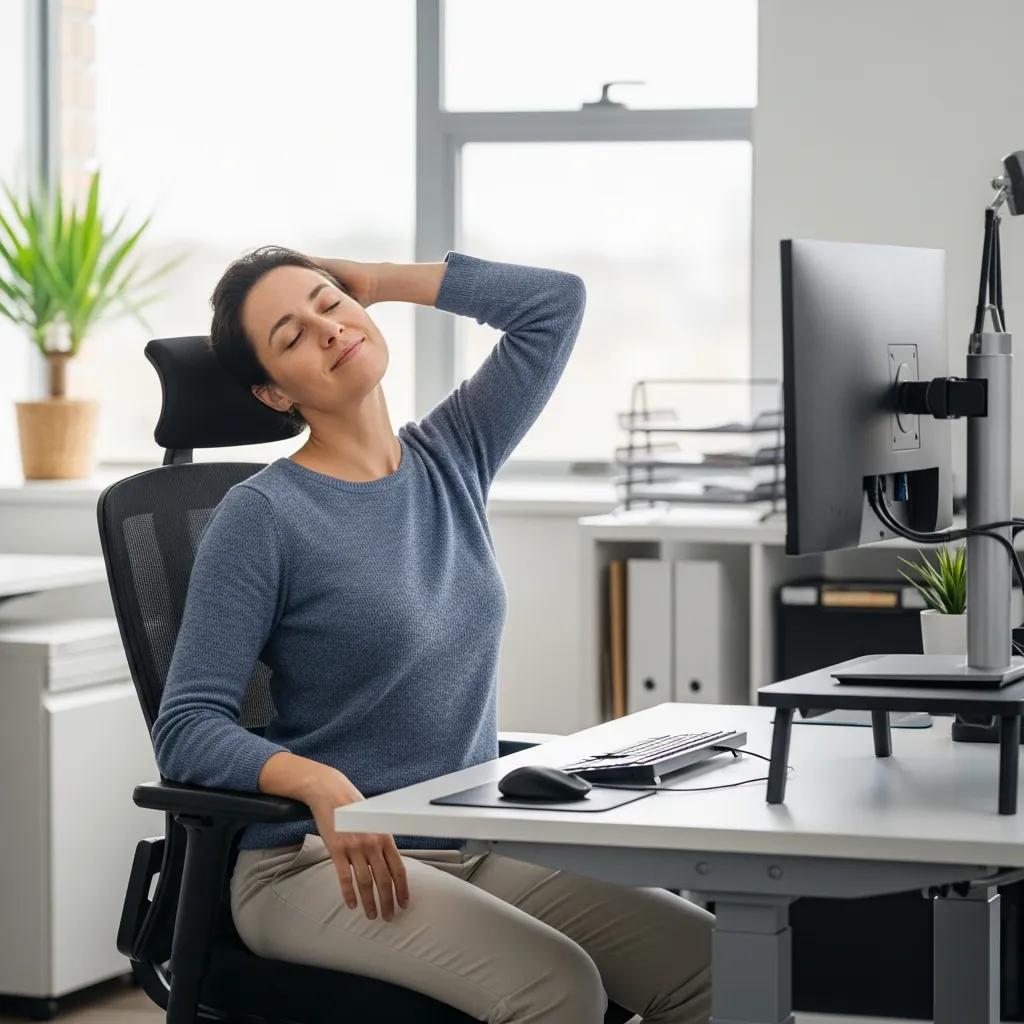
Incorporating simple exercises into your daily routine can help alleviate musculoskeletal pain associated with prolonged sitting. Consider these exercises:
- Neck Stretches: Gently tilt your head to one side, holding for 15-30 seconds to relieve neck tension.
- Shoulder Rolls: Roll your shoulders forward and backward in a circular motion to release shoulder tightness.
- Wrist Flexor Stretch: Extend one arm in front, palm up, and gently pull back on your fingers with the other hand to stretch the wrist.
These exercises can be performed throughout the day to maintain mobility and reduce discomfort. For more details, visit our FAQ section.
| Technique | Description | Benefit |
|---|---|---|
| ELDOA | A technique involving postural holds and spinal decompression | Improves spinal alignment and reduces discomfort |
| Mobility Work | Exercises focused on increasing range of motion | Enhances overall movement quality and reduces injury risk |
| Strength Training | Targeted exercises to build muscle strength | Supports better posture and functional movement |
| Benefit | Description | Impact Level |
|---|---|---|
| Improved Alignment | Corrective exercises enhance body alignment | High |
| Pain Reduction | Targeted training alleviates discomfort | High |
| Enhanced Mobility | Increased flexibility and range of motion | Medium |
Frequently Asked Questions
What is the ELDOA technique and how does it work?
The ELDOA (Elongation Longitudinal Décoaptation Ostéo-Articulaire) technique is a specialized method developed by French osteopath Guy Voyer. It focuses on creating internal tension in the body to decompress the spine and improve spinal alignment. By holding specific postures, ELDOA aims to reduce pressure on spinal discs, enhance blood flow, and alleviate pain, particularly in the cervical region. This technique is beneficial for individuals experiencing posture-related discomfort and is often integrated into personalized training programs for optimal results.
How can I integrate posture correction exercises into my daily routine?
Integrating posture correction exercises into your daily routine can be achieved through simple, consistent practices. Start by setting reminders to perform short exercises throughout the day, such as neck stretches or shoulder rolls. Additionally, focus on maintaining proper ergonomic setups at your workstation, ensuring your chair and monitor are positioned correctly. Incorporating these exercises during breaks or while watching TV can also reinforce good posture habits. Consistency is key, as regular practice will lead to improved alignment and reduced discomfort over time.
What are the signs that I need posture correction training?
Signs that you may need posture correction training include persistent neck or back pain, frequent headaches, and discomfort during prolonged sitting or standing. If you notice a tendency to slouch or if your shoulders are rounded forward, these are indicators of poor posture. Additionally, if you experience fatigue or reduced mobility during daily activities, it may be time to seek professional guidance. Early intervention through posture correction training can help prevent further complications and improve overall well-being.
Can posture correction training help with sports performance?
Yes, posture correction training can significantly enhance sports performance. Proper alignment and posture are crucial for optimal movement efficiency, strength, and injury prevention. By addressing muscle imbalances and improving core stability, athletes can achieve better biomechanics during their activities. This leads to improved agility, power, and endurance. Additionally, enhanced posture can reduce the risk of injuries related to overuse or improper mechanics, allowing athletes to train more effectively and perform at their best.
What role does nutrition play in supporting posture correction?
Nutrition plays a vital role in supporting posture correction by providing the necessary nutrients for muscle health and recovery. A balanced diet rich in proteins, healthy fats, and vitamins can help maintain muscle strength and flexibility, which are essential for good posture. Additionally, staying hydrated is crucial for joint health and overall body function. Incorporating anti-inflammatory foods, such as fruits, vegetables, and omega-3 fatty acids, can also aid in reducing discomfort associated with poor posture, enhancing the effectiveness of training programs.
How often should I participate in posture correction training sessions?
The frequency of posture correction training sessions can vary based on individual needs and goals. Generally, participating in sessions 1-3 times per week is recommended for optimal results. This allows for consistent practice and reinforcement of techniques while providing adequate recovery time. Additionally, incorporating daily exercises and stretches at home can complement formal training sessions. Consulting with a certified trainer can help determine the best schedule tailored to your specific posture correction needs and fitness objectives.
Conclusion
Improving posture and alleviating discomfort is achievable through personalized training programs that incorporate techniques like ELDOA and strength training. These tailored approaches not only enhance mobility but also promote long-term health benefits, making them essential for anyone seeking to improve their overall well-being. By committing to a consistent training regimen, you can experience significant improvements in your posture and functional movement. Discover how our expert trainers can guide you on this journey by exploring our range of fitness programs today.