
Mobility and Flexibility Training in Long Island City

Mobility and flexibility training is essential for individuals of all ages, promoting overall health and well-being. This article delves into the various benefits of flexibility training, the role of fascial stretching techniques, and the personalized mobility training programs available in Long Island City.
Many people struggle with limited mobility and chronic pain, which can hinder daily activities and overall quality of life. By understanding the importance of mobility and flexibility, readers can discover effective solutions to enhance their physical capabilities. We will explore the key benefits of flexibility training, the impact of fascial stretching, and how holistic wellness integrates flexibility training into everyday life.
What Are the Key Benefits of Flexibility Training for All Ages?
Flexibility training offers numerous benefits that enhance physical performance and overall health. It improves alignment and posture, which is crucial for preventing injuries and maintaining a healthy body. Additionally, flexibility training enhances core strength and balance, allowing individuals to perform daily activities with greater ease. This training also supports chronic pain management and injury recovery, making it beneficial for people of all ages. Flexibility training
For those seeking to improve their flexibility, personalized training programs can be particularly effective. Dekhana Wellness offers tailored flexibility training sessions designed to meet individual needs, ensuring that clients receive the most effective flexibility training and support.
How Does Improved Flexibility Enhance Daily Mobility?
Improved flexibility significantly enhances daily mobility by promoting better joint mobility and reducing stiffness. This increased range of motion allows individuals to perform everyday tasks, such as bending, reaching, and lifting, with greater ease. Enhanced flexibility also contributes to overall movement quality, making physical activities more enjoyable and less strenuous. As individuals incorporate flexibility training into their routines, they often notice a marked improvement in their ability to engage in various physical activities without discomfort.
What Are the Health Outcomes of Flexibility Training for Seniors?
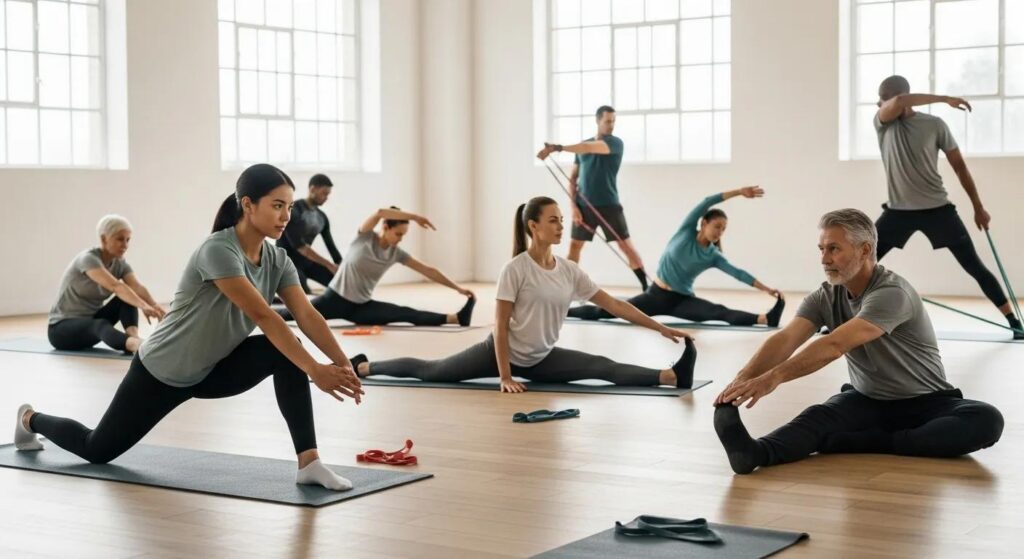
Flexibility training is particularly beneficial for seniors, as it can lead to improved mobility and a reduced risk of falls. Research indicates that regular flexibility exercises can enhance balance and coordination, which are critical for maintaining independence in older adults. Furthermore, flexibility training supports chronic pain management, helping seniors alleviate discomfort associated with conditions such as arthritis. By participating in flexibility training, seniors can experience a higher quality of life and greater physical autonomy. the benefits of flexibility.
Indeed, studies consistently highlight the positive impact of tailored interventions on mobility, especially for older adults. exercise programming for older adults.
Personalized Rehabilitation Improves Mobility
Studies have shown benefits of exercise interventions on preferred and fast gait speed in healthy older adults, but the impact of a personalised rehabilitation program targeting a large cohort of non-disabled older-old adults has rarely been examined. The purpose was to determine whether personalised intervention-related improvements in gait and mobility performance in older-old adults were dependent on cognitive status and/or history of falls.
Impact of an individual personalised rehabilitation program on mobility performance in older-old people, 2021
How Do Fascial Stretching Techniques Improve Mobility and Reduce Chronic Pain?

Fascial stretching techniques are specialized methods that target the fascia, the connective tissue surrounding muscles and joints. These techniques improve mobility and reduce chronic pain by promoting better tissue quality and enhancing fluid flow within the body. By addressing fascial restrictions, individuals can experience significant improvements in their overall movement capabilities. You can also explore the benefits of stretching.
Fascial stretching not only aids in pain relief but also supports spinal decompression, which can alleviate pressure on nerves and improve posture. This holistic approach to mobility training is essential for individuals seeking to enhance their physical performance and overall well-being.
What Is Fascial Stretching and How Does It Work?
Fascial stretching works by targeting fascial restrictions that can limit movement and contribute to pain. This technique involves gentle, sustained stretches that help to elongate the fascia, improving its elasticity and overall function. By enhancing tissue quality, fascial stretching promotes recovery and supports the body’s natural healing processes. Individuals who incorporate fascial stretching into their routines often report increased flexibility and reduced discomfort, making it a valuable addition to any mobility training program.
How Does Fascial Release Support Stress Relief and Pain Management?
Fascial release techniques are effective for relieving muscle tightness and improving circulation, which can significantly reduce stress and pain. By releasing tension in the fascia, individuals can experience enhanced relaxation and a greater sense of well-being. Many practitioners have noted that incorporating fascial release into their training regimens leads to improved overall health and a reduction in chronic pain symptoms. This approach not only addresses physical discomfort but also contributes to mental and emotional well-being.
What Personalized Mobility Training Programs Are Available in Long Island City?
In Long Island City, personalized mobility training programs are designed to cater to individual needs and goals. These programs often include a variety of exercises and techniques tailored to enhance flexibility, strength, and overall mobility. By focusing on personalized assessments and progress tracking, trainers can ensure that clients receive the most effective guidance for their unique situations.
How Are Mobility Exercises Tailored to Individual Needs?
Mobility exercises are customized based on individual assessments that consider factors such as age, fitness level, and specific mobility challenges. Trainers at Dekhana Wellness utilize a comprehensive approach to develop tailored exercise plans that address each client’s unique needs. This personalized attention helps clients achieve their mobility goals more effectively and safely. About Dekhana Wellness
Which Classes and Therapies Complement Personalized Training?
In addition to personalized mobility training, various classes and therapies complement these programs. Options may include small group classes, massage therapy, and specialized ELDOA classes, all designed to enhance mobility and flexibility. These complementary services provide clients with a well-rounded approach to their wellness journey, ensuring they receive the support they need to thrive.
How Does Holistic Wellness Integrate Mobility and Flexibility Training?
Holistic wellness emphasizes the interconnectedness of physical, mental, and emotional health. Mobility and flexibility training play a crucial role in this approach, as they contribute to overall well-being. By integrating these practices into a holistic wellness framework, individuals can experience enhanced strength, improved mobility, and long-term health benefits.
What Role Does Holistic Wellness Play in Long-Term Health?
Holistic wellness focuses on the integration of various services that support mental well-being and physical health. By addressing the whole person, individuals can achieve a more balanced and fulfilling life. Research shows that incorporating mobility and flexibility training into a holistic wellness plan can lead to improved health outcomes and a greater sense of community support.
How Are Mobility Programs Designed to Support Overall Well-Being?
Mobility programs are designed with a focus on personalized coaching and progress tracking, ensuring that clients receive the support they need to achieve their goals. These programs often include injury recovery techniques and strategies to enhance overall well-being. By prioritizing mobility and flexibility, individuals can experience a more active and fulfilling lifestyle.
What Are Common Questions About Mobility and Flexibility Training in Long Island City?
Many individuals have questions about mobility and flexibility training, particularly regarding its benefits and practical applications. Understanding these aspects can help potential clients make informed decisions about their wellness journeys.
Which Mobility Exercises Are Best for Chronic Pain Relief?
Several mobility exercises are particularly effective for chronic pain relief, including the ELDOA technique, gentle core workouts, and functional movement therapy. These exercises focus on improving flexibility and strength while addressing specific pain points, making them valuable tools for individuals seeking relief from chronic discomfort.
Specifically, the ELDOA technique stands out as a powerful method for addressing spinal health and alleviating pain.
ELDOA Technique for Spine Health & Pain Relief
ELDOA is a revolutionary technique for improvement of health and longevity of the spine which is introduced by French osteopath; Guy Voyer. The primary goal of ELDOA is to apply focused internal tension and load to decrease pressure on the discs of spine, increase blood flow and to reduce pain at cervical spine.
Effects of modified ELDOA technique in patients with cervical radiculopathy: ELDOA technique in patients with cervical radiculopathy, H Azfar, 2022
Where Can Clients Find Expert Mobility Training Near Me?
Clients looking for expert mobility training can visit expert mobility training, located at 2705 41st Avenue, Long Island City, New York 11101. For more information, individuals can contact the studio at (347) 481-7120. The dedicated team at Dekhana Wellness is committed to helping clients achieve their mobility and flexibility goals through personalized training programs and expert guidance.
Frequently Asked Questions
What types of individuals can benefit from mobility and flexibility training?
Mobility and flexibility training can benefit a wide range of individuals, including athletes, seniors, office workers, and those recovering from injuries. Athletes can enhance their performance and prevent injuries, while seniors can improve balance and reduce fall risk. Office workers may find relief from stiffness and discomfort caused by prolonged sitting. Additionally, individuals with chronic pain can experience significant improvements in their quality of life through tailored mobility programs that address their specific needs.
How often should one engage in flexibility training for optimal results?
For optimal results, it is generally recommended to engage in flexibility training at least two to three times per week. Consistency is key, as regular practice helps to improve muscle elasticity and joint range of motion over time. Each session should ideally last between 15 to 30 minutes, focusing on various muscle groups. However, individuals should listen to their bodies and adjust the frequency and intensity based on their personal fitness levels and goals.
Can flexibility training help with posture improvement?
Yes, flexibility training can significantly improve posture by enhancing the alignment of the spine and reducing muscle tension. Tight muscles, particularly in the chest and shoulders, can lead to poor posture. By incorporating stretching and mobility exercises that target these areas, individuals can promote better alignment and reduce the risk of developing musculoskeletal issues. Improved posture not only enhances physical appearance but also contributes to better breathing and overall health.
What should beginners know before starting a flexibility training program?
Beginners should start with a gentle approach to flexibility training, focusing on basic stretches and mobility exercises. It’s essential to warm up before stretching to prevent injury. Individuals should also pay attention to their body’s signals, avoiding any movements that cause pain. Consulting with a qualified trainer can provide personalized guidance and ensure that exercises are performed correctly. Gradually increasing the intensity and duration of sessions will help build flexibility safely over time. For more information, visit the benefits of stretching.
Are there any risks associated with flexibility training?
While flexibility training is generally safe, there are some risks if not performed correctly. Overstretching can lead to muscle strains or injuries, particularly if individuals push beyond their limits. It’s crucial to maintain proper form and avoid bouncing during stretches. Individuals with pre-existing conditions or injuries should consult a healthcare professional before starting a new training program. Listening to one’s body and progressing gradually can help mitigate these risks.
How can flexibility training be integrated into a busy lifestyle?
Flexibility training can be easily integrated into a busy lifestyle by incorporating short sessions throughout the day. Simple stretches can be performed during breaks at work, while commuting, or even at home while watching TV. Setting aside just 5-10 minutes for stretching can make a significant difference. Additionally, joining flexibility training or scheduling regular sessions with a trainer can help individuals stay committed to their flexibility goals amidst a hectic schedule.
Conclusion
Embracing mobility and flexibility training can lead to significant improvements in overall health and well-being for individuals of all ages. By understanding the benefits of personalized programs and fascial stretching techniques, you can enhance your physical capabilities and reduce chronic pain. Taking the first step towards a more active lifestyle is easier than ever with tailored training options available in Long Island City. Discover how you can transform your mobility journey today.