
Explore the Fitness Coaching Value: Top Benefits in LIC
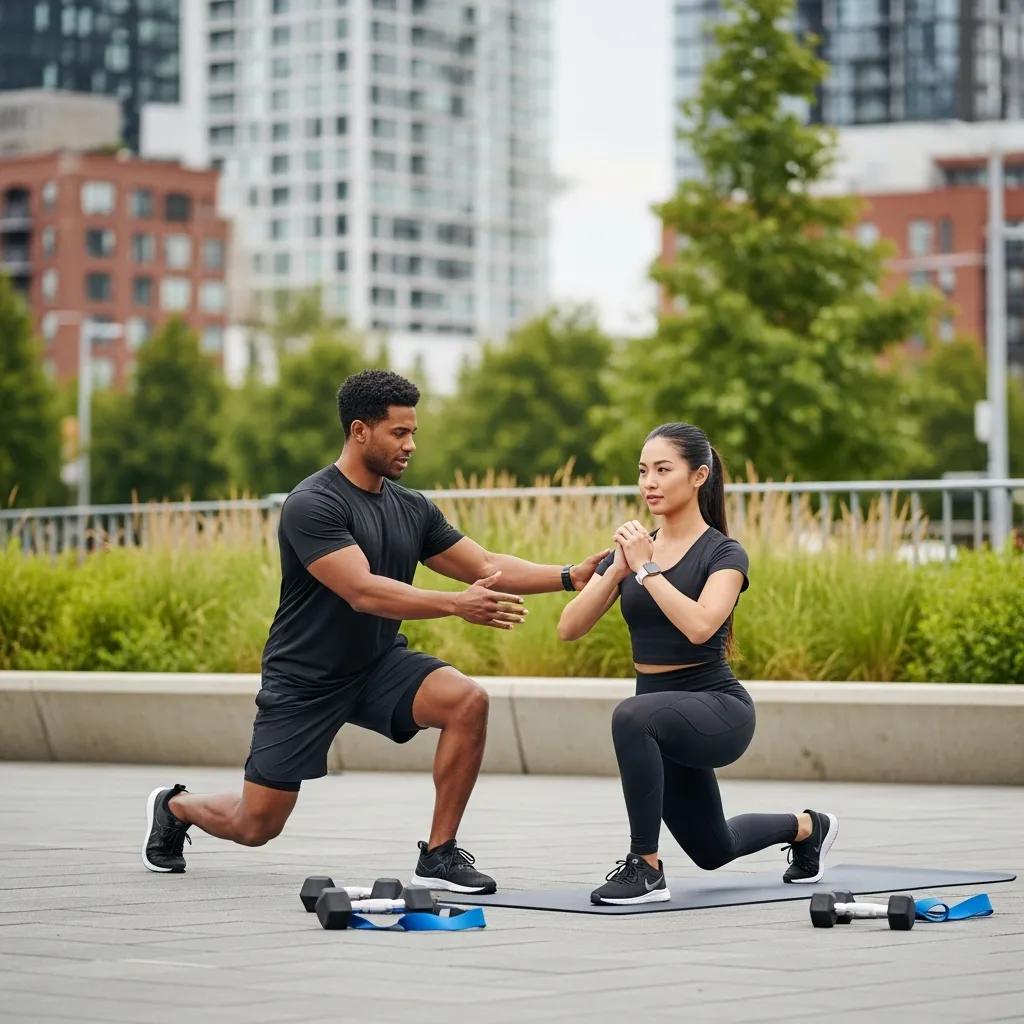
Personalized fitness coaching meets you where you are — we start by observing your movement, learning your goals, and factoring in your daily life so every session accelerates real change. For people in Long Island City balancing commutes, desk work, and family, custom programs target posture, stress and practical strength instead of relying on cookie‑cutter routines. This page walks through how individualized plans are built, why certified coaching keeps progress safe and efficient, and how accountability and small‑group formats help you stick with it long term.
You’ll also see how integrated services — intentional alignment work like ELDOA and therapeutic massage — speed recovery, ease chronic pain, and support lasting wellness. Practical comparisons and clear checklists make it easy to choose the right mix of one‑on‑one training, small classes, and recovery options; Dekhana Wellness Inc. is referenced as a local LIC provider that offers a free chat with a coach to help you begin.
How does personalized fitness coaching tailor workouts to your needs?
Everything begins with a systematic assessment: we look for movement patterns, mobility limits, strength imbalances and the goals that matter most to you. That information guides exercise choice, progressive loading and the pacing of each training phase. Research supports assessment‑driven plans because they make workouts more efficient and reduce injury risk. Coaches typically organize work into phases — mobility and alignment, foundational strength, then functional conditioning — so improvements build logically and recovery is protected. Below are common ways plans are customized for LIC lives and schedules.
- Assessment‑driven planning: baseline tests and your priorities shape the program.
- Mobility and posture screening: we identify restrictions and prescribe ELDOA or corrective drills where needed.
- Progressive overload & periodization: planned increases in load prevent plateaus.
- Recovery integration: massage and active recovery are scheduled around high‑load weeks.
These methods create modular plans that match goals and time constraints; the next section describes the concrete benefits LIC residents gain from this approach.
What are the advantages of customized workout plans in Long Island City?

Customized plans save time by focusing on high‑impact work so busy LIC residents get results with fewer sessions. We prioritize efficient compound lifts, targeted mobility for desk‑related tightness, and exercises you can do at home — all to reduce commute demands while fixing common urban complaints like neck and lower‑back tension. For example, a 35‑year‑old office worker might pair two weekly one‑on‑one sessions with a guided mobility routine and see noticeable posture and shoulder range improvements in eight weeks. Tailored plans avoid low‑value exercises and deliver faster, measurable change compared to generic programs.
How does personal training support injury recovery and chronic pain management?
Personal training helps recovery by controlling how and when load increases, re‑teaching safe movement patterns, and coordinating with hands‑on therapies to address tissue quality. Coaches modify intensity and range of motion while prescribing corrective exercises that retrain neuromuscular patterns and reduce painful compensations. Adding focused modalities like ELDOA and therapeutic massage can lower nociceptive input and improve spinal alignment, speeding functional recovery.
A typical protocol starts with pain modulation and mobility, then progresses to graded strengthening and conditioning so clients move from symptom relief to durable, pain‑resilient movement.
| Plan component | Target goal | Client benefit |
|---|---|---|
| Mobility & alignment | Restore joint range and posture | Less pain and smoother movement |
| Strength & load management | Build capacity with progressive overload | Improved function and lower re‑injury risk |
| Recovery modalities | Improve tissue quality and recovery | Faster return to training and reduced soreness |
The table shows how different plan elements combine to create lasting outcomes — that integration is what makes personalized coaching more effective than one‑size‑fits‑all approaches.
Why is expert guidance essential for safe, steady progress?
Expert coaching matters because certified trainers turn assessment data into safe, evidence‑based progressions, spot faulty mechanics before they cause injury, and adapt programming when you stall or feel pain. Coaches use precise cues, appropriate regressions, and dose management so your neuromuscular control improves and gains are consistent. Skilled oversight also makes each session more efficient, so you see measurable results faster than when training alone. Below is a quick checklist of how trainers improve outcomes and safety.
- Professionally designed programming: periodized plans that match short‑ and long‑term goals.
- Technique correction and cueing: improves load tolerance and movement economy.
- Risk mitigation: smart regressions and progressions lower injury risk.
These core functions reduce downtime and support sustainable progress; the next section outlines specific techniques trainers use to enhance strength, mobility and posture.
How do certified trainers enhance strength, mobility and posture?
Trainers use assessment results to pick exercises that fix deficits while reinforcing safe movement patterns, adding verbal and tactile cues to speed motor learning. They sequence work so mobility precedes heavy lifts when needed, protecting joints and enabling safer force production. Progress is measured with objective metrics — load, range‑of‑motion gains and alignment checks — so adjustments are data‑informed. For example, pairing scapular control drills with progressive pressing helps restore shoulder function and posture over a 6–10 week cycle.
What role does ELDOA play in posture and alignment work?
ELDOA is a series of precise postural holds and segmental spinal decompression exercises that create space and neurological awareness in targeted spinal segments. We often include ELDOA in the mobility phase to address intervertebral compression and teach clients how to find spinal alignment before loading. When paired with progressive strength work and soft‑tissue therapy, ELDOA can speed posture improvements and ease chronic back discomfort. With consistent practice and corrective exercise, clients often notice better proprioception and less pain within a few weeks.
Recent research supports ELDOA’s usefulness for posture‑related complaints, especially neck pain.
ELDOA & Myofascial Release for Posture‑Related Neck Pain
Mechanical neck pain is common among students and desk workers because prolonged poor posture and inactivity can cause discomfort and functional limits without structural disease. Elongation Longitudinal Décoaptation Ostéo‑Articulaire (ELDOA) and manual myofascial release both show benefit for musculoskeletal pain, though direct comparisons are still limited.
… of Elongation Longitudinal Décoaptation Ostéo‑Articulaire (ELDOA) Versus Manual Myofascial Release Therapy on Mechanical Neck Pain Related to Poor Posture, AB Inam, 2025
| Qualification / approach | Specific guidance offered | Typical client outcome |
|---|---|---|
| Movement screening | Tailored corrective exercise selection | Fewer compensations and better movement quality |
| Programming expertise | Periodized load progression | Efficient strength gains without overuse |
| Hands‑on cueing | Real‑time technique correction | Faster skill learning and safer lifts |
This table maps trainer skills to likely client results and shows how ELDOA can fit into a thoughtful, supervised plan.
How does personalized coaching boost accountability and motivation?

Personalized coaching improves adherence by combining scheduled sessions, measurable tracking and social support — a mix that creates external structure and internal commitment. Coaches set short‑term milestones with objective markers — strength numbers, mobility targets or pain scores — and celebrate progress to reinforce consistency. Small groups and accountability systems add peer encouragement and positive pressure so behavior changes stick. Below are common accountability tools coaches use to prevent plateaus and keep momentum.
This approach aligns with recent evidence showing personalized programs increase long‑term engagement and health benefits.
Personalized Exercise Prescriptions: Boosting Adherence & Motivation
Background: Personalized intelligent exercise prescriptions have shown clear benefits for increasing physical activity and improving health. Those benefits depend on adherence over time, so it’s important to understand the behavioral and practical factors that support long‑term commitment.
Influencing factors and implementation pathways of adherence behavior in intelligent personalized exercise prescription: qualitative study, 2024
- Progress tracking with objective metrics like one‑rep max, ROM and pain scores.
- Scheduled coaching sessions to create reliable, non‑negotiable training windows.
- Community features such as small group classes for social reinforcement.
These accountability levers work together to make progress predictable rather than sporadic — next we look at tracking strategies and how to break through plateaus.
What are the benefits of progress tracking and overcoming plateaus?
Tracking objective measures — load, reps, mobility range and subjective energy or pain ratings — reveals trends early so coaches can intervene before progress stalls. Tactics to overcome plateaus include changing periodization, planning deloads, introducing new modalities, or adjusting volume and intensity based on the data. A simple tracking matrix that compares baseline to weekly metrics helps visualize change and guide tweaks. Regular, data‑driven adjustments keep adaptations moving and keep clients motivated by visible wins.
| Accountability tool | Frequency | Value |
|---|---|---|
| Strength benchmarks | Weekly to monthly | Clear performance targets and proof of progress |
| Mobility screens | Biweekly | Tracks ROM improvements and guides corrective work |
| Session logs | Per session | Monitors adherence and workload for safe progress |
This simple comparison shows how tools combine to sustain progress and prevent setbacks; next we explain how small group classes amplify one‑on‑one work.
How do small group classes complement one‑on‑one training in LIC?
Small groups provide community, varied conditioning and a cost‑effective place to practice skills learned in private sessions. They let clients repeat movement patterns under guided supervision, which improves motor learning while benefiting from peer energy. A common weekly mix we recommend for LIC residents is two individual coaching sessions for technical work and one small‑group class for conditioning and social support. That hybrid balances focused progress with practical scheduling and accountability.
What holistic wellness benefits does Dekhana Wellness offer through personalized coaching?
Dekhana Wellness Inc. blends one‑on‑one coaching, small group classes and massage therapy so clients get integrated results — less stress, faster recovery and better posture. Our mind‑body centered approach pairs intentional movement, alignment practices like ELDOA, and recovery modalities to create sustainable habits and functional longevity. For LIC residents looking for a clear starting point, Dekhana Wellness offers easy booking and a free chat with a coach to match services to your goals before you commit. Below are the core services and the top outcomes you can expect when they’re coordinated.
- One‑on‑one training: focused strength, mobility and technique coaching.
- Small group classes: functional conditioning and community motivation.
- Massage therapy: improve tissue quality and support recovery.
How does mind‑body connection help reduce stress and sharpen focus?
Intentional movement and breath‑focused coaching reduce sympathetic overdrive and chronic stress load, improving mood and mental clarity through predictable physiological changes. We weave controlled breathing, mindful alignment cues and progressively challenging movement into sessions so clients offload daily tension, sleep better and focus more during the day.
Studies show consistent moderate exercise combined with mind‑body practice supports executive function and reduces perceived stress over weeks — benefits that reinforce adherence and make fitness a tool for daily performance.
What recovery benefits come from combining massage with coaching?
Pairing massage with training improves tissue quality, eases delayed‑onset soreness and speeds return to higher intensities by addressing fascial restrictions and localized tightness. Thoughtful scheduling — after heavy microcycles or before technical phases — optimizes readiness and movement quality. A typical integrated plan might include one targeted massage per week alongside two coaching sessions, shortening recovery windows and preserving consistency. Those recovery gains let coaches progress clients more confidently, accelerating functional improvements.
| Service | Primary focus | Expected outcome |
|---|---|---|
| Personalized training | Strength, mobility, technique | Better function and less pain |
| Small group classes | Conditioning and community | Sustained adherence and variety |
| Massage therapy | Tissue recovery and mobility | Quicker return to training and reduced soreness |
This summary shows how Dekhana Wellness’s services translate into measurable client gains and helps you choose the right mix for your goals.
How Does Dekhana’s Personalized Coaching Promote Holistic Wellness?
Local coaching in LIC answers practical constraints — limited time, commuting and desk‑related posture issues — by offering flexible scheduling, efficient sessions and programming tailored to urban life. Coaches design short, effective workouts, desk‑break mobility routines and functional strength work that helps with everyday tasks like carrying groceries or climbing stairs. Community‑focused studios also build social ties that boost retention and make steady training more likely. The paragraphs below outline local conveniences and map typical LIC goals to simple weekly plans.
What makes Dekhana Wellness’s LIC location convenient and community‑focused?
Dekhana Wellness Inc. offers a supportive, mind‑body centered studio in LIC with programs built for local schedules and common lifestyle needs: fully customized training plans, small group classes and massage. Our coaching emphasizes strength, mobility and core control with intentional alignment work so clients can address desk‑job posture and commuter stress within realistic timeframes. Simple booking and a free chat with a coach make it easy to find the right starting point without commitment — a local approach that keeps personalized care accessible.
How does personalized training fit LIC residents’ lifestyles and goals?
Personalized training matches common LIC goals — stress reduction, posture correction and practical strength — to weekly plans that fit tight schedules. For example: two focused one‑on‑one sessions for technical work, one small‑group conditioning class for cardiovascular health, and a recovery session such as massage for tissue maintenance. Coaches set progressive timelines and measurable milestones to keep motivation high and deliver outcomes like less back pain or greater load capacity within months. To get started, prospective clients can book a free chat with a coach to design a plan that balances work, family and wellness priorities.
| Program element | Weekly frequency | Typical benefit |
|---|---|---|
| One‑on‑one coaching | 1–2 sessions | Technical mastery and targeted progress |
| Small group class | 1 session | Conditioning and social accountability |
| Massage / recovery | 0–1 session | Faster recovery and improved mobility |
This simple framework helps LIC residents build a balanced weekly plan that fits urban goals and time limits — and it points naturally to booking a free chat to tailor these options to your needs.
Frequently Asked Questions
What qualifications should I look for in a personalized fitness coach?
Look for certifications from recognized bodies like NASM or ACE — those show a foundation in exercise science, programming and client assessment. Equally important are hands‑on experience with clients who have similar goals, clear communication skills, and ongoing education to stay current. Good coaches also show empathy and practical problem‑solving when designing programs for real life.
How can I measure the effectiveness of my personalized fitness coaching?
Track objective metrics — strength numbers, mobility gains and body composition where relevant — and combine those with subjective measures like energy, pain levels and sleep quality. Regular reassessments (fitness tests or mobility screens) give you clear data to compare against your baseline. A training journal that records workouts and how you felt helps your coach refine the plan over time.
What should I expect during my first personalized coaching session?
Your first session usually includes a conversation about your history and goals, a movement screening and some light testing to establish a baseline. The coach will look at mobility, strength and movement quality, then outline next steps and an initial plan. The priority is to understand your unique situation so we can design sessions that are safe, effective and realistic.
How often should I meet with my personalized fitness coach?
Frequency depends on your goals, schedule and budget. For most people, 1–2 sessions per week offer steady progress and accountability. More frequent sessions can help early in a program or during rehab. Adding a small group class or recovery session can complement private coaching and boost consistency.
Can personalized fitness coaching help with mental health and stress management?
Yes — regular, purposeful exercise combined with mindful breathing and movement can reduce anxiety, improve mood and sharpen focus. Coaches often blend breath work and alignment cues into sessions to lower stress and improve sleep. That mind‑body benefit supports long‑term adherence and makes fitness a tool for emotional as well as physical resilience.
What types of recovery modalities are typically included in personalized coaching programs?
Common recovery options include therapeutic massage, foam rolling, targeted stretching and active recovery sessions like low‑intensity mobility work. Some programs incorporate ELDOA for spinal alignment and decompression. Recovery is scheduled strategically — after heavy training blocks or before technical phases — to optimize readiness and progress.
Conclusion
Personalized fitness coaching in Long Island City delivers targeted programs that match your goals, boost accountability and improve overall wellbeing. By combining expert coaching with recovery practices, clients get sustainable results that fit busy lives. Working with a coach keeps you motivated and ensures steady, safe progress. Ready to start? Book a free chat with a coach at Dekhana Wellness Inc. to find the right plan for you.