

Effective Chronic Pain Relief Strategies in Long Island City

Chronic pain affects millions of individuals, significantly impacting their quality of life and daily activities. In Long Island City, NY, various solutions are available to help manage this condition effectively. This article explores comprehensive chronic pain management strategies, focusing on non-opioid relief options that prioritize patient safety and well-being.
Readers will learn about the common types of chronic pain, the latest non-opioid treatments, and the role of integrative therapies in pain management. By understanding these approaches, individuals can make informed decisions about their pain management journey.
What Are the Common Types of Chronic Pain Treated in Long Island City?
Chronic pain can manifest in various forms, each requiring specific treatment approaches. The most common types include neuropathic pain and musculoskeletal pain, both of which can severely affect daily functioning and overall wellness. Neuropathic pain arises from nerve damage or dysfunction, often resulting in sensations of burning, tingling, or shooting pain. Musculoskeletal pain, on the other hand, is associated with injuries or conditions affecting the muscles, bones, and joints, leading to discomfort and reduced mobility.
Understanding Neuropathic and Musculoskeletal Pain
Neuropathic pain is characterized by abnormal pain signaling in the nervous system, often resulting from conditions such as diabetes, shingles, or multiple sclerosis. This type of pain can be challenging to treat due to its complex nature. Musculoskeletal pain encompasses a range of conditions, including arthritis, back pain, and fibromyalgia, which can stem from injuries, overuse, or degenerative diseases. Understanding these pain types is crucial for developing effective management strategies tailored to individual needs.
Because pharmacological treatments for neuropathic pain often provide limited relief, a multidisciplinary approach using integrative health modalities like anti-inflammatory diets, functional movement, acupuncture, meditation, and transcutaneous therapy is critical. integrative health
Integrative Health Modalities for Neuropathic Pain
Patients diagnosed with neuropathic pain experience continuous or intermittent spontaneous pain throughout their lives. Pharmacological treatments often provide limited relief; therefore, a multidisciplinary approach should be utilized to manage neuropathic pain. This review examines the current literature on integrative health modalities (anti-inflammatory diets, functional movement, acupuncture, meditation, and transcutaneous therapy) for treating patients with neuropathic pain.
Role of integrative health on neuropathic pain, C Wilson, 2023
How Chronic Pain Impacts Daily Life and Wellness
Chronic pain can have profound effects on mental and physical health. Individuals may experience emotional distress, anxiety, and depression due to the persistent nature of their pain. Additionally, chronic pain can hinder daily activities, making it difficult to work, engage in social interactions, or maintain a healthy lifestyle. Long-term consequences may include decreased mobility, reliance on pain medications, and a diminished quality of life. Addressing these impacts is essential for holistic pain management.
Which Non-Opioid Pain Relief Options Are Available Near Me?
In Long Island City, various non-opioid pain relief options are available, providing safe alternatives to traditional opioid medications. These options include over-the-counter medications, physical therapy, acupuncture, and integrative therapies. Each approach offers unique benefits and can be tailored to meet individual patient needs.
The rise in chronic non-cancer pain, particularly among the elderly, has spurred a greater focus on non-opioid alternatives, highlighting the need for practitioners to adapt their prescribing habits.
Non-Opioid Alternatives for Chronic Pain Management
Chronic non-cancer pain is a major public health problem in the United States. The use of opioids for chronic non-cancer pain treatment has a negative impact on the quality of life of the elderly. This study aimed to explore non-opioid alternatives for chronic pain management in the elderly. It aims to explore the perspectives of pain practitioners at My Pain Center in Tucson, Arizona, in choosing non-opioid alternatives for chronic pain treatment. The study aimed to explore the factors that influence pain practitioners’ prescribing habits and how to replace opioids in treating chronic non-cancer pain in the elderly. This study was guided by constructivist grounded theory and the Health Belief Model. Data was collected through semi-structured questionnaires and phone interviews.
Non-Opioid Alternatives for Chronic Non-Cancer Pain Management in the Elderly: A Provider’s Perspective, 2025
Exploring Medication Alternatives for Safe Pain Management
Several medication alternatives can effectively manage chronic pain without the risks associated with opioids. Nonsteroidal anti-inflammatory drugs (NSAIDs), such as ibuprofen and naproxen, are commonly used to reduce inflammation and alleviate pain. Additionally, topical analgesics, such as lidocaine patches, can provide localized relief. For those seeking more holistic options, herbal supplements and natural remedies may also offer benefits, although it is essential to consult with a healthcare provider before starting any new treatment.
Recent clinical guidelines further underscore the shift towards non-opioid treatments for chronic non-cancer pain, influencing both medication and non-pharmacologic therapies among privately insured adults.
blockquote>
Trends in Non-Opioid Treatments for Chronic Non-Cancer Pain
Recent clinical guidelines have emphasized non-opioid treatments in lieu of prescription opioids for chronic non-cancer pain, exempting cancer patients from these recommendations. In this study, we determine trends in opioid and non-opioid treatment among privately insured adults with chronic non-cancer pain (CNCP) or cancer. Using administrative claims data from IBM MarketScan Research Databases, we identified privately-insured adults who were continuously enrolled in insurance for at least one calendar year from 2012 to 2019.
We identified individuals with CNCP diagnosis, defined as a diagnosis of arthritis, headache, low back pain, and/or neuropathic pain, and a individuals with cancer diagnosis in a calendar year. Outcomes included receipt of any opioid, non-opioid medication, or non-pharmacologic CNCP therapy and opioid prescribing volume, MME-per-day, and days’ supply. Estimates were regression-adjusted for age, sex, and region. Between 2012 and 2019, the proportio Trends in opioid and non-opioid treatment for chronic non-cancer pain and cancer pain among privately insured adults in the United States, 2012–2019, S Bandara, 2012
Benefits of Integrative and Holistic Therapies in Pain Relief
Integrative and holistic therapies, such as acupuncture, chiropractic care, and massage therapy, have gained popularity as effective pain management strategies. These therapies focus on treating the whole person rather than just the symptoms, promoting overall wellness. Research indicates that acupuncture can stimulate the body’s natural pain-relieving mechanisms, while chiropractic adjustments can improve spinal alignment and reduce musculoskeletal pain. Incorporating these therapies into a comprehensive pain management plan can enhance patient outcomes and improve quality of life.
How Does Physical Therapy Help Manage Chronic Pain Effectively?

Physical therapy plays a vital role in managing chronic pain by helping patients regain strength, flexibility, and mobility. Through tailored exercise programs and hands-on techniques, physical therapists can address the underlying causes of pain and develop strategies to alleviate discomfort. faq
Physical Therapy Techniques for Neuropathic and Musculoskeletal Pain
Physical therapists utilize various techniques to treat neuropathic and musculoskeletal pain. These may include therapeutic exercises, manual therapy, and modalities such as heat or cold therapy. By focusing on strengthening the affected areas and improving range of motion, patients can experience significant pain relief and enhanced functionality. Additionally, education on body mechanics and posture can help prevent future injuries.
Patient Outcomes and Success Stories from Long Island City Clinics
Many patients in Long Island City have reported positive outcomes from physical therapy interventions. Success stories often highlight improved mobility, reduced pain levels, and enhanced quality of life. By sharing these experiences, individuals can gain insight into the potential benefits of physical therapy as part of their chronic pain management plan.
What Role Does Acupuncture Play in Chronic Pain Relief?
Acupuncture is an ancient practice that involves inserting thin needles into specific points on the body to stimulate healing and pain relief. This technique has gained recognition in modern medicine for its effectiveness in managing various types of chronic pain. Wellness studio
Mechanisms of Acupuncture for Pain Reduction
The mechanisms behind acupuncture’s pain-relieving effects are thought to involve the release of endorphins and the modulation of pain pathways in the nervous system. Research has shown that acupuncture can reduce inflammation and improve blood flow, contributing to pain relief. Additionally, it may help regulate the body’s stress response, further alleviating discomfort.
Integrating Acupuncture with Other Pain Management Therapies
Acupuncture can be effectively integrated with other pain management therapies, such as physical therapy and medication. This multidisciplinary approach allows for a more comprehensive treatment plan that addresses the various aspects of chronic pain. Patients may find that combining acupuncture with traditional therapies enhances their overall pain relief and promotes faster recovery.
Where Can I Find Pain Management Specialists in Long Island City?
Finding qualified pain management specialists in Long Island City is essential for individuals seeking effective treatment options. Various clinics and healthcare providers offer specialized services tailored to chronic pain management.
Qualities to Look for in a Pain Management Clinic
When searching for a pain management clinic, patients should consider several key qualities. Look for clinics with experienced healthcare professionals who specialize in pain management. Additionally, a multidisciplinary approach that includes various treatment modalities can enhance patient outcomes. Patient reviews and testimonials can also provide valuable insights into the quality of care offered.
Local Resources and Patient Support Services in Long Island City
Long Island City offers several resources and support services for individuals dealing with chronic pain. Local support groups, educational workshops, and community health initiatives can provide valuable information and encouragement. Connecting with others who share similar experiences can help patients feel less isolated and more empowered in their pain management journey.
What Are the Latest Advances in Multidisciplinary Pain Management?
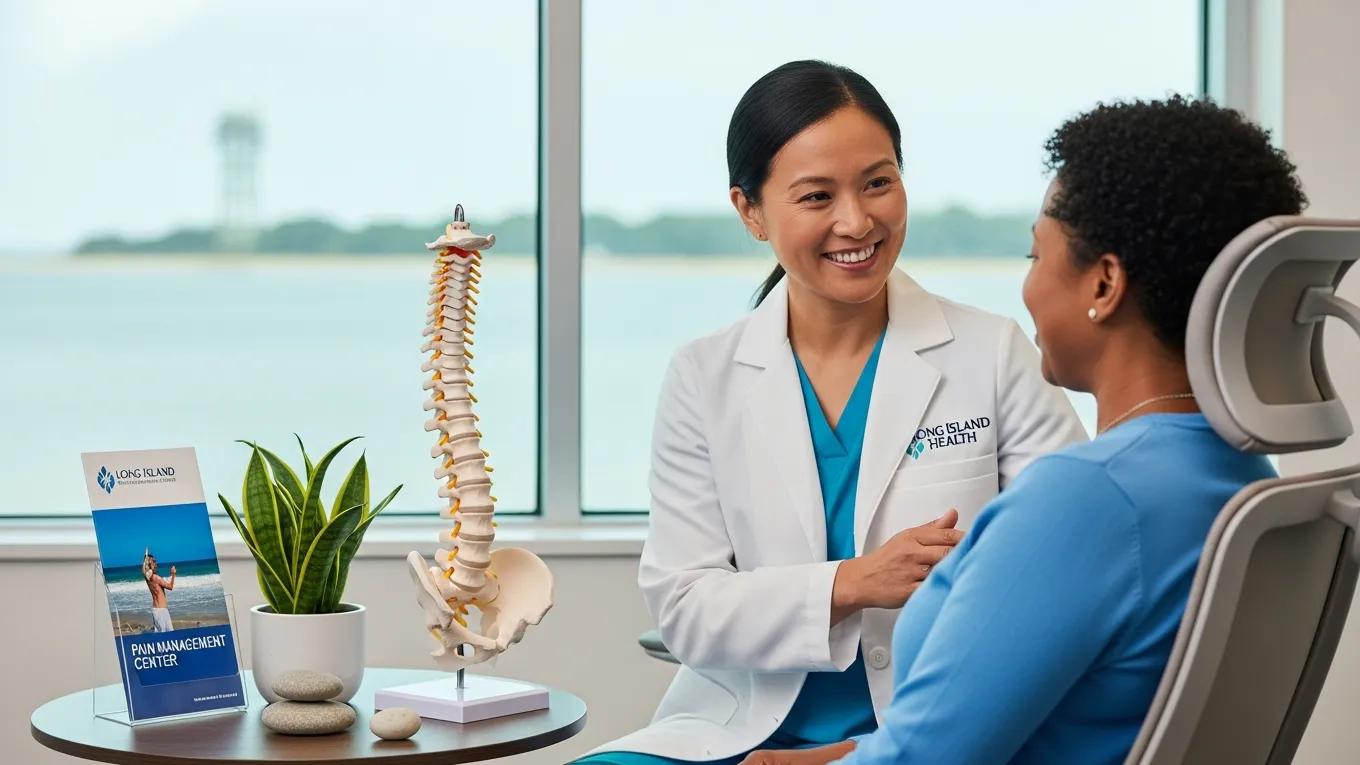
Recent advancements in multidisciplinary pain management have led to the development of innovative treatment options that prioritize patient safety and efficacy. These advancements focus on integrating various therapeutic approaches to provide comprehensive care.
Emerging Non-Opioid Treatments and Technologies
New non-opioid treatments and technologies are continually emerging in the field of pain management. These may include neuromodulation techniques, such as spinal cord stimulation, which can provide significant pain relief for certain conditions. Additionally, advancements in telehealth have made it easier for patients to access pain management services from the comfort of their homes.
How Holistic Approaches Enhance Patient Wellness and Recovery
Holistic approaches to pain management emphasize the importance of treating the whole person, not just the symptoms. By incorporating lifestyle changes, stress management techniques, and complementary therapies, patients can experience improved overall wellness and faster recovery. This comprehensive approach can lead to better long-term outcomes and a higher quality of life for individuals living with chronic pain.
Frequently Asked Questions
What lifestyle changes can help manage chronic pain?
Making specific lifestyle changes can significantly aid in managing chronic pain. Regular physical activity, such as low-impact exercises, can improve strength and flexibility, reducing pain levels. Additionally, maintaining a balanced diet rich in anti-inflammatory foods, staying hydrated, and ensuring adequate sleep are crucial. Stress management techniques, including mindfulness, yoga, or meditation, can also help alleviate pain by promoting relaxation and reducing tension in the body. Consulting with healthcare professionals can provide personalized strategies tailored to individual needs.
How can I find support groups for chronic pain in Long Island City?
Finding support groups for chronic pain in Long Island City can be beneficial for emotional and social support. Local hospitals, community health centers, and pain management clinics often host support groups. Online platforms, such as social media or health-focused websites, can also connect individuals with virtual support groups. Additionally, organizations like the American Chronic Pain Association provide resources and directories to help locate nearby support networks. Engaging with others who share similar experiences can foster a sense of community and understanding.
Are there any risks associated with non-opioid pain relief options?
While non-opioid pain relief options are generally considered safer than opioids, they are not without risks. Over-the-counter medications, such as NSAIDs, can cause gastrointestinal issues or kidney problems if used excessively. Herbal supplements may interact with other medications, leading to adverse effects. Additionally, therapies like acupuncture or chiropractic care, while beneficial, can carry risks if not performed by qualified practitioners. It is essential to consult with a healthcare provider to discuss potential risks and ensure safe use of any pain management strategy.
What role does mental health play in chronic pain management?
Mental health plays a crucial role in chronic pain management. Chronic pain can lead to emotional distress, anxiety, and depression, which can exacerbate the perception of pain. Conversely, mental health issues can heighten sensitivity to pain and hinder recovery. Integrating mental health support, such as therapy or counseling, into pain management plans can help address these emotional aspects. Techniques like cognitive-behavioral therapy (CBT) can equip individuals with coping strategies, ultimately improving their overall quality of life and pain management outcomes.
How can telehealth improve access to pain management services?
Telehealth has revolutionized access to pain management services by allowing patients to consult with healthcare providers from the comfort of their homes. This is particularly beneficial for individuals with mobility issues or those living in remote areas. Telehealth can facilitate regular check-ins, medication management, and even virtual physical therapy sessions. Additionally, it can reduce wait times and increase the availability of specialists, making it easier for patients to receive timely and effective care tailored to their chronic pain needs.
What are some emerging technologies in pain management?
Emerging technologies in pain management include neuromodulation techniques, such as spinal cord stimulation and peripheral nerve stimulation, which can provide significant pain relief for certain conditions. Virtual reality (VR) therapy is also gaining traction, offering immersive experiences that can distract patients from pain and promote relaxation.
Additionally, advancements in wearable technology allow for real-time monitoring of pain levels and activity, enabling personalized treatment adjustments. These innovations aim to enhance patient outcomes and provide more effective, non-invasive pain management solutions.
Conclusion
Managing chronic pain effectively is achievable through a variety of non-opioid treatments and integrative therapies that prioritize patient safety and well-being. By understanding the different types of chronic pain and exploring tailored management strategies, individuals can significantly improve their quality of life.
Embrace a holistic approach to pain relief and consider consulting with local specialists to find the best options for your needs. Discover more about effective pain management solutions available in Long Island City today.