
Core Activation Exercises for Strength and Stability in LIC
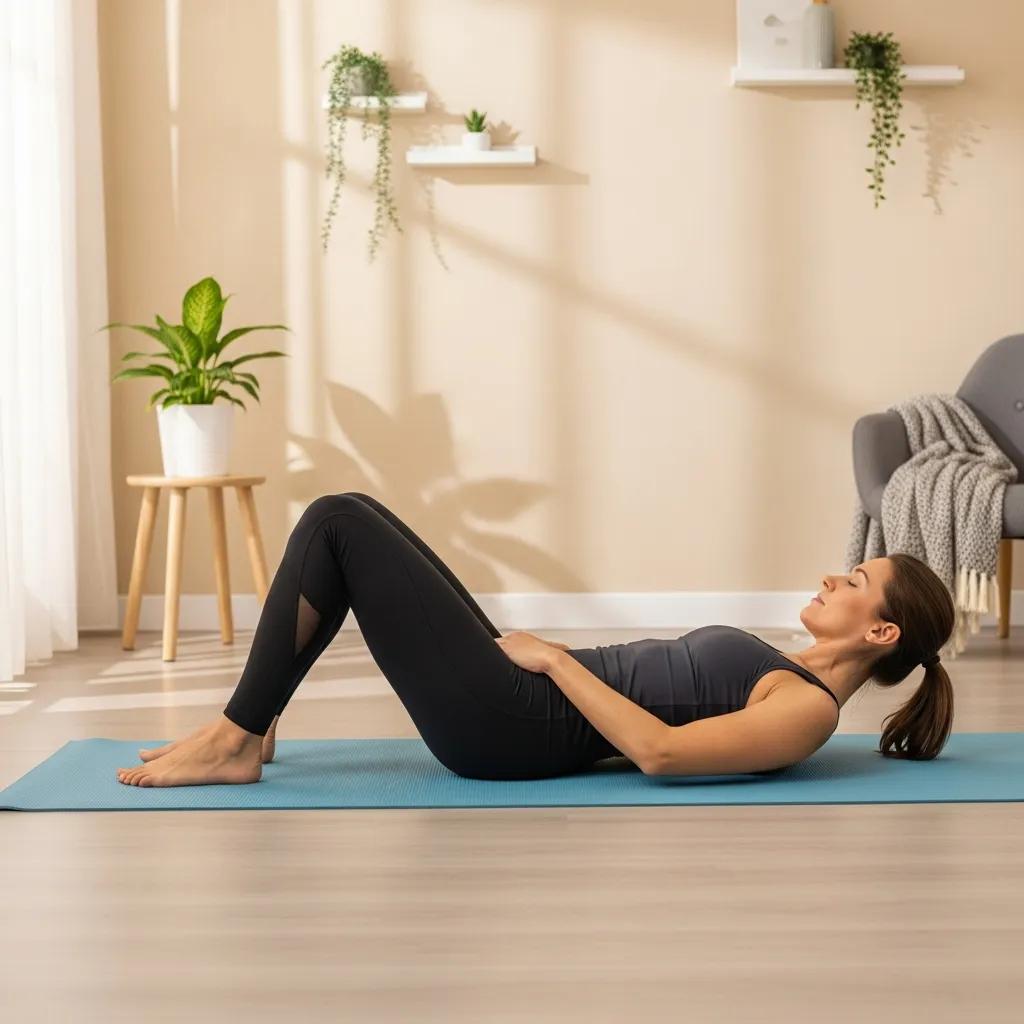
Core activation exercises are essential for enhancing strength and stability, particularly for individuals seeking to improve their overall wellness. These exercises focus on engaging the muscles of the core, which include the abdominals, back, and pelvic floor, to create a strong foundation for movement. In this guide, we will explore the importance of core activation exercises, their benefits, and how Dekhama Wellness Inc. in Long Island City integrates these practices into their holistic wellness approach.
What Are Core Activation Exercises and Why Are They Essential for Strength and Stability?
Core activation exercises are movements designed to engage and strengthen the muscles of the core, which play a crucial role in maintaining stability and balance during physical activities. By focusing on these exercises, individuals can enhance their overall strength, improve posture, and reduce the risk of injury. The core muscles support the spine and pelvis, allowing for better movement mechanics and functional performance in daily activities. Engaging in core activation exercises not only strengthens these muscles but also promotes awareness of body mechanics, leading to improved alignment and reduced discomfort.
Core “activation” isn’t about chasing a six-pack burn—it’s about teaching your trunk to brace, resist movement, and transfer force so your hips and shoulders can do their jobs. When your deep core system (diaphragm, pelvic floor, transverse abdominis, multifidus) coordinates well, you move with more stability, better balance, and less compensation in your low back, hips, and knees.
Whether you’re lifting at a gym in Long Island City, running along the waterfront, or just trying to feel steadier carrying groceries up walk-ups, these drills build the foundation. Below is a coach-style, progressive guide you can use immediately—plus a plug-and-play routine you can perform 2–4x/week.
Why Core Activation Matters for Strength and Stability
A “strong core” isn’t measured by how many sit-ups you can do. In real life and training, the core’s primary job is to:
- Resist unwanted motion (anti-extension, anti-rotation, anti-lateral flexion)
- Stabilize the spine and pelvis while the limbs produce force
- Improve movement efficiency in squats, deadlifts, presses, carries, lunges, and running
- Support posture and breathing mechanics (especially under load)
In practice, core activation makes your lifts feel more “locked in,” your balance more automatic, and your low back less likely to take over when fatigue hits.
The 5 Core Functions You Should Train (Not Just “Abs”)
1) Bracing and 360° Pressure
Bracing is the ability to create circumferential tension (front/side/back) without holding your breath like a statue. Think: “firm, supported cylinder.”
2) Anti-Extension
Prevents the ribcage from flaring and the low back from arching when you raise your arms/legs or load overhead.
3) Anti-Rotation
Keeps you from twisting when one side of the body is loaded (walking, single-arm work, sports, daily life).
4) Anti-Lateral Flexion
Keeps you from “collapsing” sideways under load (suitcase carries, uneven loads, running stride).
5) Hip-to-Rib Connection
Your pelvis and ribcage should move together when needed—and stay stacked when you’re stabilizing.
Quick Self-Check: Do You Need More Core Activation?
You’ll likely benefit from this plan if you notice any of these:
- Low back tightness during planks, squats, deadlifts, or overhead pressing
- Rib flare (chest pops up) when you lift arms overhead
- Hips shifting or twisting during lunges/single-leg work
- Balance feels shaky on stairs, runs, or carries
- Planks burn mostly in shoulders/low back—not midsection
How Do Core Activation Exercises Improve Posture and Balance?
Core activation exercises improve posture and balance by enhancing awareness of body mechanics and promoting optimal spinal alignment. These exercises help strengthen the core muscles, which support the spine and improve overall stability. As clients develop better posture through mindful alignment and targeted movements, they can reduce discomfort and enhance their functional capabilities in daily activities. Improved posture also contributes to better breathing patterns and increased energy levels, making it easier to engage in various physical activities.
What Is the Difference Between Core Strength and Core Stability?
Core strength refers to the ability of the core muscles to generate force and support movement, while core stability is the ability to maintain control of the body’s position during movement. Both aspects are essential for overall fitness and functional performance. Core strength is often developed through resistance training exercises, while core stability is enhanced through exercises that challenge balance and control. Understanding the distinction between these two concepts is crucial for designing effective training programs that address individual needs and goals.
Core Activation LIC | Massage+PT | Dekhana Wellness Inc
For beginners in Long Island City, it is essential to start with core activation exercises that are safe and effective. These exercises should focus on engaging the core muscles without placing excessive strain on the body.
- Pelvic Tilts: This exercise helps to engage the lower abdominal muscles and improve pelvic alignment.
- Dead Bugs: A great way to activate the core while maintaining stability, this exercise involves lying on your back and alternating arm and leg movements.
- Bird-Dogs: This exercise promotes balance and coordination by extending opposite arms and legs while maintaining a stable core.
How to Perform Pelvic Floor Strengthening Exercises Safely?
Pelvic floor strengthening exercises, such as Kegels, can be performed safely by following these guidelines:
- Find a Comfortable Position: You can perform these exercises while sitting, standing, or lying down.
- Engage the Muscles: Focus on tightening the pelvic floor muscles as if you are trying to stop the flow of urine.
- Hold and Release: Hold the contraction for 5-10 seconds, then relax for the same amount of time. Repeat for 10-15 repetitions.
What Are Gentle Core Workouts for Chronic Pain and Stability?
Gentle core workouts for individuals with chronic pain should focus on low-impact movements that promote stability without exacerbating discomfort. Some effective options include: fitness programs
- Modified Planks: Performing planks on the knees can help engage the core while reducing strain on the back.
- Seated Leg Lifts: While sitting, lift one leg at a time to engage the core without putting pressure on the spine.
- Cat-Cow Stretch: This gentle movement helps to mobilize the spine and engage the core muscles, promoting flexibility and stability.
How Does Dekhana Wellness Inc. Integrate Holistic Core Wellness in LIC?
Dekhana Wellness Inc. integrates holistic core wellness in Long Island City (LIC) by offering a supportive, mind-body centered studio that focuses on personalized training plans, small group classes, and massage therapy. Their approach emphasizes strength, mobility, and core control, addressing common issues like desk-job posture and commuter stress. Programs are designed to fit local schedules and lifestyle needs, promoting stress reduction, posture correction, and practical strength through customized coaching and community support. This holistic framework helps clients achieve sustainable wellness and fosters a sense of community among participants.
What Personal Training Services Focus on Core Strength and Stability?
The personal training services that focus on core strength and stability at Dekhana Wellness Inc. include personalized training that emphasizes strength, mobility, and core control with intentional alignment work. This approach helps clients address issues like desk-job posture and commuter stress. Trainers work closely with clients to develop tailored programs that meet their specific needs and goals, ensuring effective progress and support.
How Do Small Group Classes Like Pilates and Yoga Enhance Core Activation?
Small group classes such as Pilates and yoga play a significant role in enhancing core activation by providing a supportive environment for participants to learn and practice. These classes focus on controlled movements that engage the core muscles while promoting flexibility and balance. The group dynamic fosters motivation and accountability, making it easier for individuals to stay committed to their fitness goals. Additionally, instructors can offer personalized feedback and modifications to ensure that each participant is performing exercises safely and effectively.
What Are Advanced Core Strength and Stability Training Techniques in LIC?

The LIC Core Activation Routine (12–18 Minutes)
Do this 2–4x/week, before lifting or as a standalone micro-session.
Phase 1: Stack + Brace (3–4 minutes)
- 90/90 Breathing – 4 breaths
- Dead Bug (heel taps) – 2 sets of 6/side
Phase 2: Stability Tri-Set (6–8 minutes)
- Pallof Press – 2 sets of 8/side (2-second hold)
- Side Plank – 2 sets of 20–30 seconds/side
- Glute Bridge – 2 sets of 10 (2-second squeeze)
Phase 3: Strength Transfer (3–6 minutes)
- Suitcase Carry – 3 x 30–45 seconds/side (rest as needed)
Rule: If any drill creates sharp pain (especially in the spine), stop and regress.
Programming Tips for Faster Results
- Quality beats fatigue. Stop sets when form breaks (rib flare, low-back arch, twisting).
- Exhale to set position. A full exhale often “turns on” deep core control instantly.
- Pair core with lifts. Add one anti-rotation drill between sets of squats or presses.
- Progress one variable at a time: duration → reps → resistance → complexity.
Common Mistakes That Kill Core Activation
- Holding your breath instead of building controlled pressure
- Chasing burn with high-rep crunches (often reinforces poor rib/pelvis position)
- Letting ribs flare during planks/overhead work
- Overgripping hip flexors in leg raises instead of bracing the trunk
- Going too advanced too soon (shaky “hard” exercises don’t build stable strength)
How Does ELDOA Support Spinal Health and Deep Core Engagement?
ELDOA (Étirements Longitudinaux avec Decoaptation Osteo-Articulaire) supports spinal health and deep core engagement by focusing on spinal decompression and alignment. This method targets specific vertebrae, promoting optimal spinal health and flexibility, which can lead to improved posture and reduced back pain. Additionally, the techniques taught in ELDOA classes help clients develop awareness of their body mechanics, contributing to better posture and reduced discomfort. Participants often report improvements in mobility and comfort levels after engaging in ELDOA classes.
Which Functional Fitness Drills Build Athletic Core Strength?
Functional fitness drills that build athletic core strength include exercises that mimic real-life movements and enhance overall performance. Some effective drills are:
- Kettlebell Swings: This dynamic movement engages the core while improving power and endurance.
- Box Jumps: This plyometric exercise challenges stability and coordination, requiring strong core engagement.
- Battle Ropes: Using battle ropes engages the core while promoting cardiovascular fitness and upper body strength.
How Can Core Activation Exercises Aid Injury Recovery and Stress Relief?
Core activation exercises can aid injury recovery and stress relief by enhancing strength and mobility, which are crucial for regaining function after setbacks. These exercises, when combined with mindful breathing and alignment cues, can also reduce anxiety and improve mood, contributing to overall emotional resilience. Additionally, integrating core activation into personalized coaching programs can help clients offload daily tension, leading to better sleep and focus during the day.
What Role Does Core Stability Play in Back Pain Prevention?
Core stability plays a vital role in back pain prevention by providing support to the spine and pelvis during movement. A strong and stable core helps to distribute forces evenly throughout the body, reducing the risk of injury and discomfort. Research indicates that individuals with better core stability are less likely to experience chronic back pain, making core training an essential component of any injury prevention strategy.
How Do Pelvic Floor Exercises Support Postpartum Recovery?
Pelvic floor exercises are crucial for postpartum recovery as they help to strengthen the muscles that support the bladder, uterus, and rectum. These exercises can alleviate common postpartum issues such as incontinence and pelvic pain. By focusing on pelvic floor engagement, new mothers can regain strength and stability in their core, facilitating a smoother recovery process. Incorporating these exercises into a postpartum fitness routine can significantly enhance overall well-being and functional capacity.
Where Can You Access Core Activation and Stability Training in Long Island City?
You can access Core Activation and Stability Training at Dekhana Wellness Inc. located at 2705 41st Avenue, Long Island City, New York 11101. The studio offers a variety of fitness programs tailored to meet the needs of individuals at different fitness levels.
What Are the Benefits of Joining Dekhana Wellness’ Core Programs?
The benefits of joining Dekhna Wellness’ core programs include:
- Customized Coaching: Personalized assessments and tailored workout plans enhance strength and mobility, focusing on individual capabilities and limitations.
- Injury Recovery Programs: Designed to support clients in regaining strength and mobility after setbacks, these programs use specialized techniques for rehabilitation.
- Small Group Fitness Classes: Foster a sense of community, enhance motivation, and accountability, making workouts more enjoyable and effective.
- Variety of Classes: Options like yoga, Pilates, and functional fitness cater to different fitness levels and preferences, with expert guidance from qualified instructors.
- Flexible Membership Options: Various membership plans and packages accommodate different needs and budgets, allowing clients to choose services that fit their lifestyle.
- Progress Tracking: Integral to the training process, helping clients monitor improvements and stay motivated.
Overall, these programs aim to enhance physical health, foster a supportive community, and promote sustainable wellness.
How to Book Personal Training or Small Group Classes for Core Wellness?
To book personal training or small group classes at Dekhana Wellness Inc., you can start by scheduling a free chat with a coach to discuss your needs and tailor a plan that fits your goals. You can contact them at (347) 481-7120 or via email at info@dekhanawellnessstudio.com. For more information, you can also visit their website.
FAQ:
How often should I do core activation work?
Most people do best with 2–4 sessions per week, and 5–10 minutes as part of warm-ups on lifting days.
Are planks enough?
Planks help, but they’re only one pattern (mostly anti-extension). For full stability, you also want anti-rotation (Pallof) and loaded carries.
Can core activation reduce low back tightness?
Often, yes—especially if tightness comes from your low back “doing the job” of the trunk and hips. But persistent pain should be assessed by a qualified clinician.
What’s the fastest exercise to feel results?
Many people feel immediate improvement from 90/90 breathing + dead bug (rib stack) and suitcase carries (real-world bracing).
Should I train abs directly for aesthetics?
You can, but if your goal includes strength and stability, build the foundation first. A strong brace supports better lifting, which often drives physique changes more effectively.
Conclusion:
Core activation is the missing link between “working out” and moving with real confidence—whether you’re lifting heavier, running smoother, or simply feeling steadier through daily life in Long Island City. The goal isn’t to chase an ab burn. It’s to train your trunk to brace, resist unwanted motion, and transfer force so your hips and shoulders can produce power without your low back taking the hit. When you practice 360° breathing, rib-to-pelvis stacking, anti-extension control, anti-rotation strength, and loaded carries, your body becomes more efficient—your squats and deadlifts feel more stable, your overhead work feels safer, and your balance improves fast.
The best part is you don’t need hour-long sessions to see results. A consistent 12–18 minute core activation routine 2–4 times per week can dramatically improve posture, lifting mechanics, and overall stability. Start with the fundamentals (90/90 breathing, dead bugs, bird dogs), then progress into strength-building staples (Pallof presses, side planks, suitcase carries). Over time, your core becomes the “quiet support system” you can rely on—strong under load, stable under fatigue, and ready for whatever your training or lifestyle demands.
If you want to accelerate progress, working with a coach in LIC helps you dial in technique, progress safely, and connect core activation to the movements that matter most—your strength training, sport, or everyday performance. With the right plan and consistency, you’ll feel the difference where it counts: stronger lifts, better stability, fewer nagging aches, and more control in every rep and every step.