
Best Injury Recovery Programs in Long Island City, NY
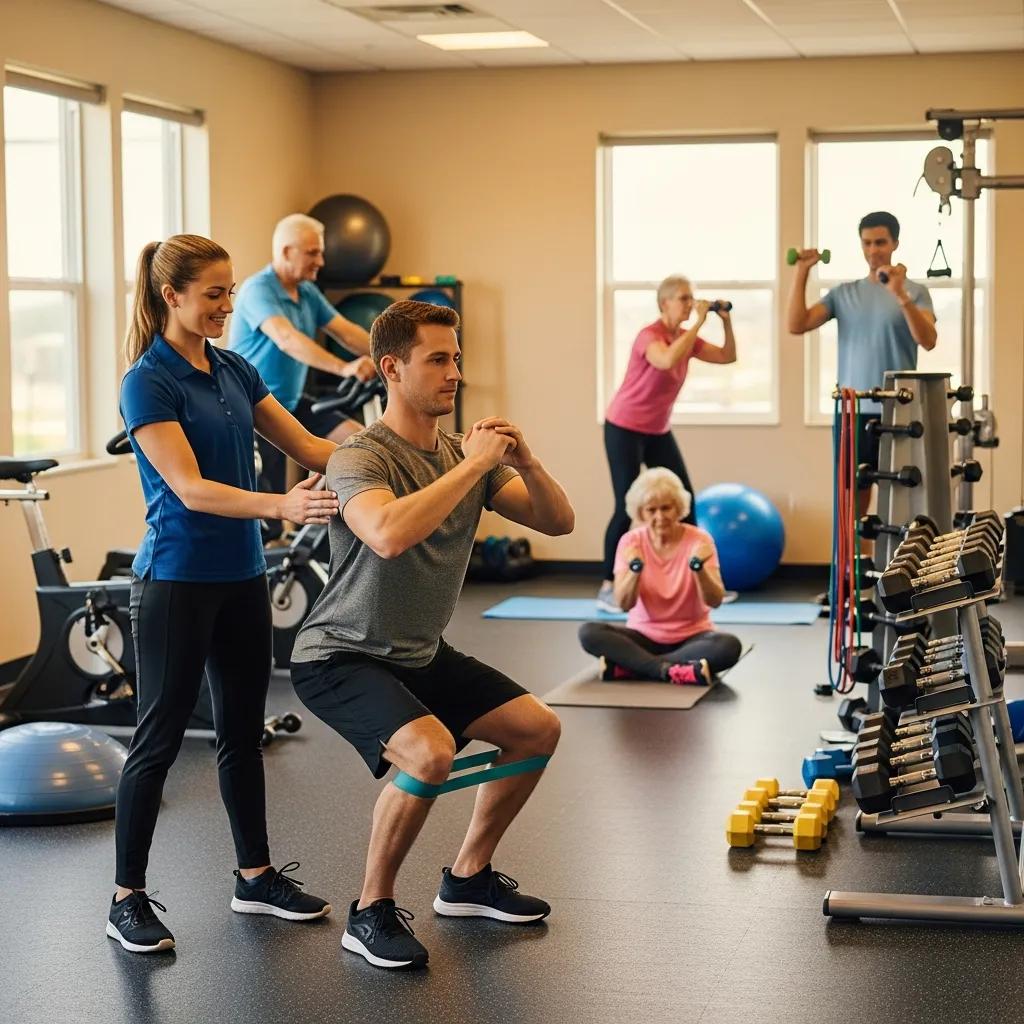
Injury recovery can be a challenging journey, often requiring specialized support to regain strength and mobility. This article explores the benefits of injury recovery personal training in Long Island City, NY, focusing on how tailored fitness programs can facilitate healing and enhance overall well-being.
Readers will learn about the key advantages of personalized training, effective post-rehab exercise programs, and the role of certified trainers in the recovery process. Many individuals struggle with the physical and emotional toll of injuries, making it essential to find effective solutions that promote healing. This guide will cover the benefits of functional movement therapy, the effectiveness of customized exercise plans, and the advantages of community-focused training, providing a comprehensive overview of how to navigate the recovery process successfully.
What Are the Key Benefits of Injury Recovery Personal Training in Long Island City?
Injury recovery personal training offers several key benefits that can significantly enhance the rehabilitation process. These specialized programs are designed to address individual needs, ensuring that clients receive the support necessary for effective recovery.
- Improved Recovery Times: Personalized training programs can lead to faster recovery by focusing on specific areas of weakness and promoting healing through targeted exercises.
- Personalized Training Plans: Each client receives a customized plan that considers their unique injury, fitness level, and recovery goals, ensuring a tailored approach to rehabilitation.
- Community Support Benefits: Training in a supportive environment fosters motivation and accountability, which can be crucial for maintaining consistency during recovery.
Following these principles, community-focused training at Dekhna Wellness Inc. emphasizes the importance of small group sessions, where individuals can share experiences and encourage one another, enhancing the overall recovery journey.
How Does Functional Movement Therapy Support Healing and Mobility?
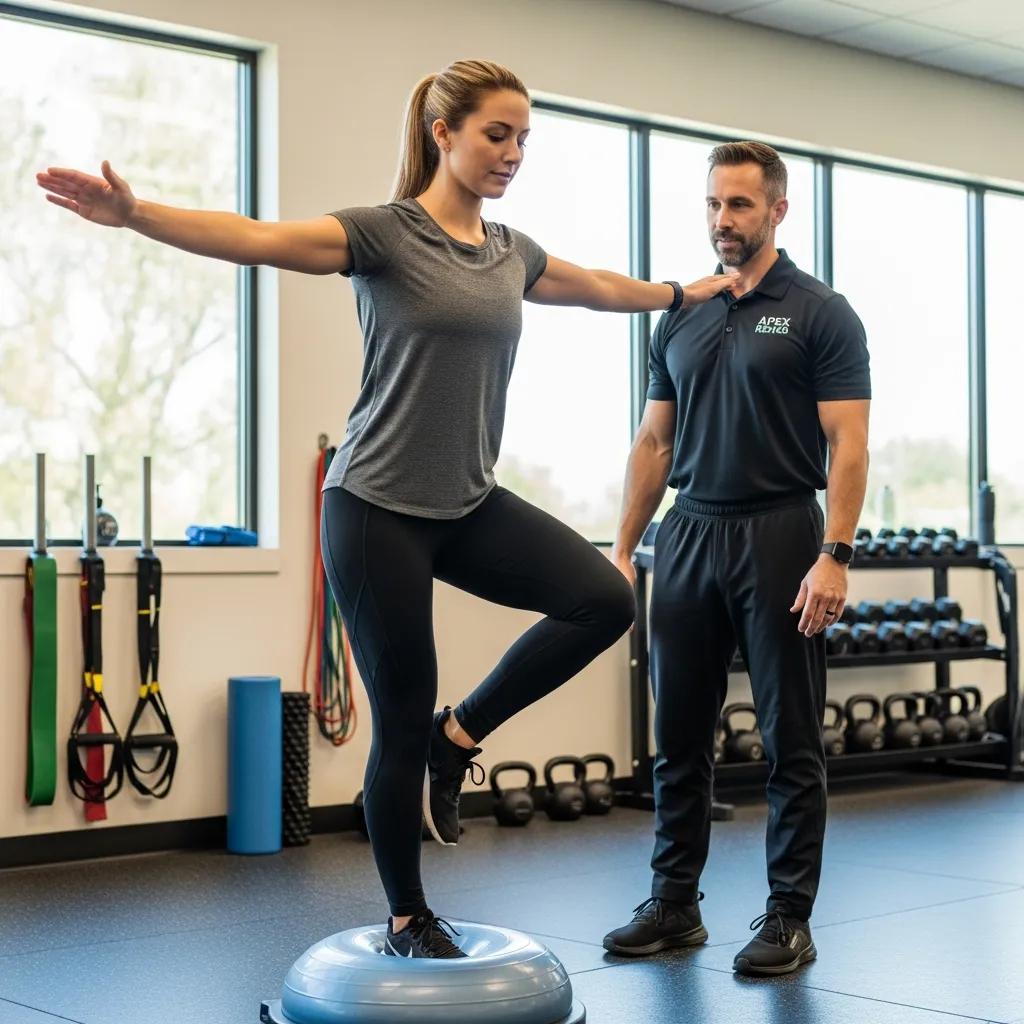
Functional movement therapy is a specialized approach that focuses on restoring movement patterns essential for daily activities. This therapy aids in healing by identifying and correcting dysfunctional movement patterns that may have developed due to injury. Fitness programs are designed to address these issues effectively.
By incorporating exercises that mimic real-life movements, clients can improve their mobility and strength in a safe manner. Techniques such as balance training, flexibility exercises, and strength conditioning are integral to this approach, helping individuals regain confidence in their physical abilities. The benefits of functional movement therapy extend beyond physical recovery, as it also promotes mental resilience and a positive outlook during the rehabilitation process.
Why Choose Community-Focused Training Over Large Gym Environments?
Community-focused training offers distinct advantages compared to traditional large gym environments. In smaller, more intimate settings, clients receive tailored attention from trainers who understand their specific needs and challenges. Wellness studio
- Supportive Environment: A community atmosphere fosters camaraderie and emotional support, which can be vital for individuals facing the challenges of recovery.
- Motivation from Peers: Training alongside others who share similar goals can enhance motivation and accountability, making it easier to stay committed to the recovery process.
- Tailored Attention from Trainers: With fewer clients to manage, trainers can provide more personalized guidance, ensuring that each individual receives the support they need to succeed.
These factors contribute to a more effective and enjoyable recovery experience, making community-focused training an excellent choice for those on the path to healing.
Massage & PT in LIC/Astoria/W’burg/Sunnyside – Dekhana Wellness Inc
Post-rehab exercise programs are essential for individuals transitioning from rehabilitation to independent fitness. These programs are designed to build strength, improve flexibility, and prevent future injuries.
- Overview of Popular Programs: Many clients benefit from programs that include strength training, flexibility exercises, and cardiovascular conditioning, all tailored to their specific recovery needs.
- Customization Options: Effective post-rehab programs are highly customizable, allowing trainers to adjust exercises based on individual progress and feedback.
- Success Rates: Research indicates that clients who engage in structured post-rehab programs experience higher success rates in returning to their pre-injury activities.
What Does a Customized Post Rehab Strength Training Plan Include?
- Assessment of Individual Needs: Trainers conduct thorough assessments to identify specific areas of weakness and tailor exercises accordingly.
- Progress Tracking: Regular evaluations help monitor progress and make necessary adjustments to the training plan.
- Adjustments Based on Recovery: As clients progress, trainers modify the plan to ensure continued improvement and prevent setbacks.
This personalized approach ensures that clients are not only recovering but also building a solid foundation for long-term health and fitness.
How Do Injury Prevention Exercise Programs Reduce Future Risks?
Injury prevention exercise programs play a crucial role in reducing the risk of future injuries. These programs focus on strengthening vulnerable areas and improving overall body mechanics.
- Types of Injury Prevention Exercises: Common exercises include balance training, core strengthening, and flexibility routines that enhance stability and coordination.
- Long-term Benefits: Engaging in these programs can lead to improved athletic performance and a lower likelihood of re-injury, allowing individuals to return to their activities with confidence.
- Case Studies: Numerous studies have shown that individuals who participate in injury prevention programs experience fewer injuries compared to those who do not.
By incorporating these preventive measures into their training, clients can enjoy a more active lifestyle with reduced risk.
Who Are the Certified Rehabilitation Personal Trainers at Dekhana Wellness Inc?
At Dekhana Wellness Inc., clients benefit from the expertise of certified rehabilitation personal trainers who specialize in injury recovery. These professionals bring a wealth of knowledge and experience to the training process. Dekhana Wellness
- Trainer Qualifications: Our trainers hold certifications from recognized organizations, ensuring they are equipped with the latest techniques and knowledge in rehabilitation.
- Experience in Rehabilitation: Many trainers have extensive backgrounds in physical therapy or sports medicine, providing a comprehensive understanding of the recovery process.
- Approach to Training: The trainers at Dekhana Wellness Inc. emphasize a holistic approach, focusing on both physical and emotional aspects of recovery to support clients fully.
What Qualifications and Licenses Do Our Trainers Hold?
| Qualification | License/Certification | Relevance |
|---|---|---|
| Certified Personal Trainer | National Academy of Sports Medicine (NASM) | Ensures knowledge of safe exercise practices |
| Certified Rehabilitation Specialist | American Council on Exercise (ACE) | Focuses on injury recovery techniques |
| CPR and First Aid Certified | American Red Cross | Ensures safety during training sessions |
How Does Trainer Expertise Enhance Personalized Injury Recovery?
Trainer expertise plays a vital role in enhancing personalized injury recovery. Experienced trainers can tailor programs to meet individual needs, ensuring that clients receive the most effective support.
- Personalized Approach: Trainers assess each client’s unique situation, allowing for customized exercise plans that address specific injuries and recovery goals.
- Success Stories: Many clients have successfully returned to their pre-injury activities thanks to the guidance and support of our trainers, highlighting the effectiveness of personalized training.
- Client Feedback: Regular feedback from clients helps trainers refine their approaches, ensuring that each individual receives the best possible care.
This focus on personalized training not only aids in recovery but also fosters a sense of trust and confidence between clients and trainers.
How Can Group Training Benefit Injury Recovery in Long Island City?
Group training offers unique benefits for individuals recovering from injuries. These sessions provide a supportive environment that can enhance the recovery process.
- Social Interaction Benefits: Engaging with others in a group setting can reduce feelings of isolation and promote a sense of community among participants.
- Cost-effectiveness: Group training sessions are often more affordable than one-on-one training, making them accessible to a wider range of clients.
- Motivation from Group Dynamics: The energy and encouragement from fellow participants can boost motivation, helping individuals stay committed to their recovery goals.
What Are the Advantages of Community-Based Injury Recovery Training?

Community-based injury recovery training offers several advantages that can significantly impact the rehabilitation process.
- Supportive Community: Being part of a community fosters emotional support, which can be crucial for individuals facing the challenges of recovery.
- Shared Experiences: Participants can share their experiences and learn from one another, creating a sense of camaraderie that enhances motivation.
- Enhanced Motivation: The encouragement from peers can help individuals push through difficult moments, making it easier to stay committed to their recovery journey.
These benefits highlight the importance of community in the recovery process, making it a valuable aspect of injury recovery training.
How Do Group Sessions Complement Individual Rehabilitation Plans?
Group sessions can effectively complement individual rehabilitation plans by providing additional support and motivation.
- Balancing Group and Individual Needs: Trainers can tailor group sessions to address the specific needs of participants while still focusing on individual recovery goals.
- Flexibility in Training: Group sessions allow for a variety of exercises and activities, keeping the training experience fresh and engaging.
- Success Stories: Many clients have found that participating in group sessions alongside their individual training has accelerated their recovery and improved their overall fitness levels.
This integration of group and individual training creates a comprehensive approach to injury recovery, ensuring that clients receive the support they need to succeed.
Frequently Asked Questions
What should I look for in a personal trainer for injury recovery?
When selecting a personal trainer for injury recovery, consider their qualifications, experience, and specialization in rehabilitation. Look for trainers who hold certifications from recognized organizations, such as the National Academy of Sports Medicine or the American Council on Exercise. Additionally, assess their experience with similar injuries and their approach to personalized training. A good trainer should also demonstrate empathy and understanding of the emotional aspects of recovery, ensuring a supportive environment throughout your rehabilitation journey.
How long does an injury recovery program typically last?
The duration of an injury recovery program can vary significantly based on the type and severity of the injury, as well as individual progress. Generally, programs may last anywhere from a few weeks to several months. A personalized assessment by a certified trainer will help determine the appropriate timeline for your recovery. Regular evaluations and adjustments to the training plan are essential to ensure that you are progressing effectively and safely, allowing for a return to your pre-injury activities as soon as possible.
Can I participate in injury recovery training if I have multiple injuries?
Yes, individuals with multiple injuries can still participate in injury recovery training. Certified trainers are skilled in creating customized programs that address various injuries simultaneously. They will assess your specific needs and limitations, designing a training plan that promotes healing while ensuring safety. It’s crucial to communicate openly with your trainer about all your injuries so they can tailor the exercises accordingly, helping you regain strength and mobility in a balanced manner.
What role does nutrition play in injury recovery?
Nutrition plays a vital role in injury recovery by providing the necessary nutrients to support healing and overall health. A balanced diet rich in proteins, vitamins, and minerals can enhance tissue repair and reduce inflammation. Foods high in omega-3 fatty acids, antioxidants, and lean proteins are particularly beneficial. Consulting with a nutritionist or dietitian can help you develop a meal plan that complements your recovery program, ensuring you receive the right nutrients to optimize your healing process and improve your overall well-being.
Are there specific exercises to avoid during injury recovery?
Yes, certain exercises should be avoided during injury recovery, particularly those that may exacerbate your condition or cause further injury. High-impact activities, heavy lifting, or movements that involve twisting or excessive strain on the injured area are generally discouraged. It’s essential to follow the guidance of your personal trainer or healthcare provider, who can recommend safe exercises tailored to your recovery. They will help you gradually reintroduce more challenging movements as your strength and mobility improve, ensuring a safe and effective rehabilitation process.
How can I stay motivated during my injury recovery journey?
Staying motivated during injury recovery can be challenging, but several strategies can help. Setting realistic goals and tracking your progress can provide a sense of accomplishment. Engaging in community-focused training or group sessions can also foster camaraderie and support, making the process more enjoyable. Additionally, maintaining open communication with your trainer about your feelings and challenges can help them adjust your program to keep you engaged. Celebrating small victories along the way can further boost your motivation and commitment to recovery.
Conclusion
Engaging in injury recovery personal training in Long Island City can significantly enhance your rehabilitation journey by providing tailored support and fostering a sense of community. With personalized training plans, clients can experience improved recovery times and regain confidence in their physical abilities. The expertise of certified trainers ensures that each individual receives the guidance necessary for effective healing. Take the next step towards your recovery by exploring our specialized training programs today.